
| News | Inaugural UHC-HEI International Conference Opens at Tongji University |
| PublishDate:2025-10-26 Hits:680 |
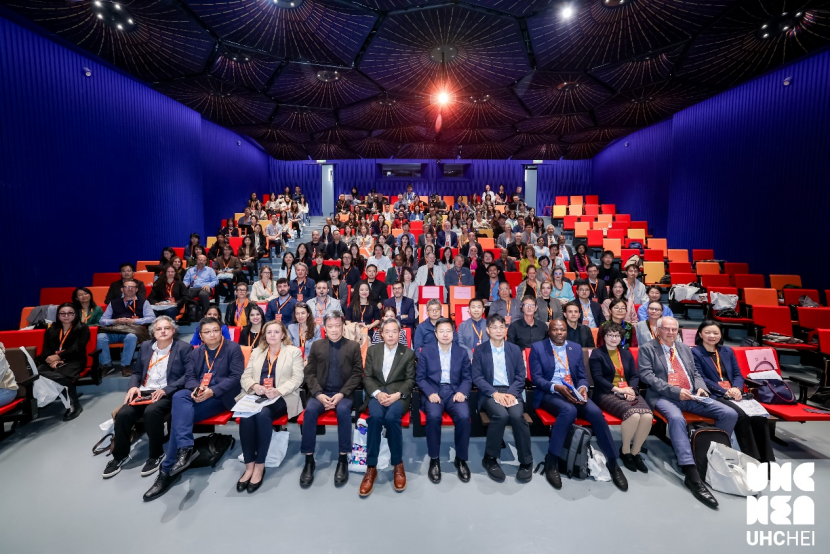
On the morning of 25 October 2025, the inaugural international conference of the International Network for Urban–rural Heritage Conservation in Higher Education Institutions (UHC-HEI), initiated by the Network and hosted by Tongji University, officially opened in Shanghai. Under the theme “Reshaping Heritage Conservation in Higher Education: Why? How? For Whom?”, the conference established a global platform for dialogue, bringing together over 200 experts and scholars from more than 30 countries to address the complex challenges in urban and rural heritage education, and to explore future directions for educational goals, methodological innovation, and capacity development in the field.
Opening ceremony:A shared vision for heritage education
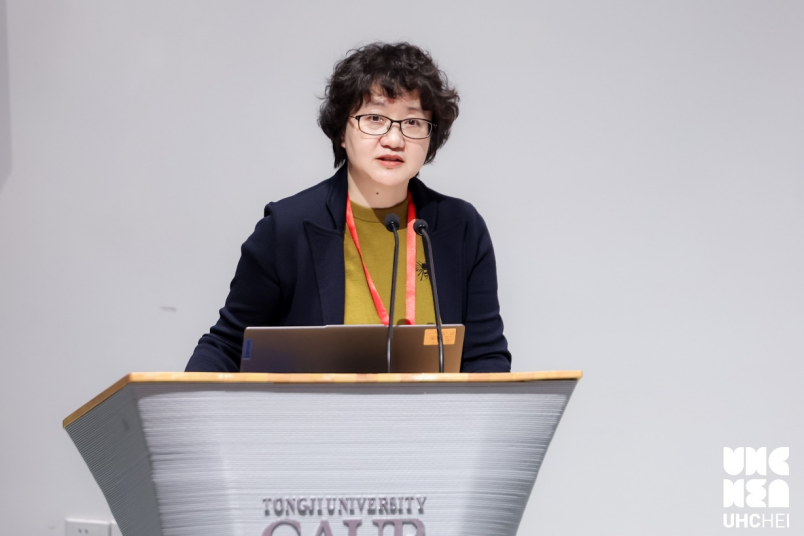
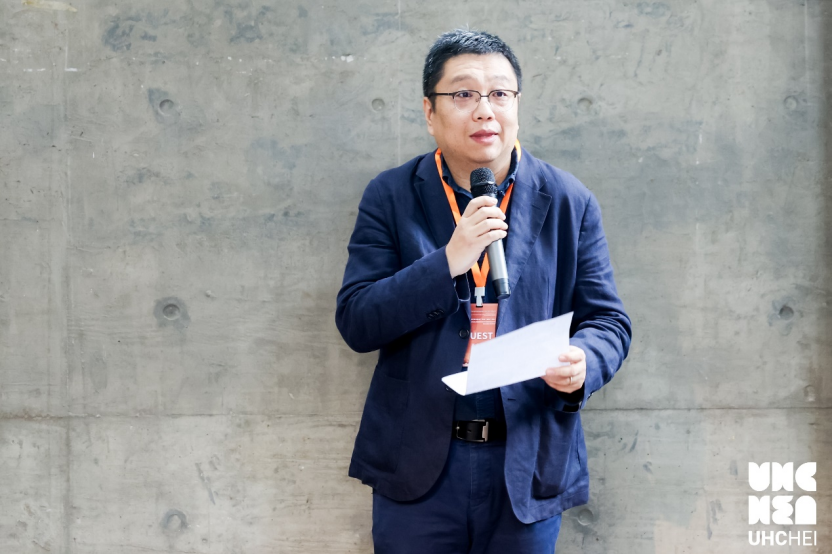
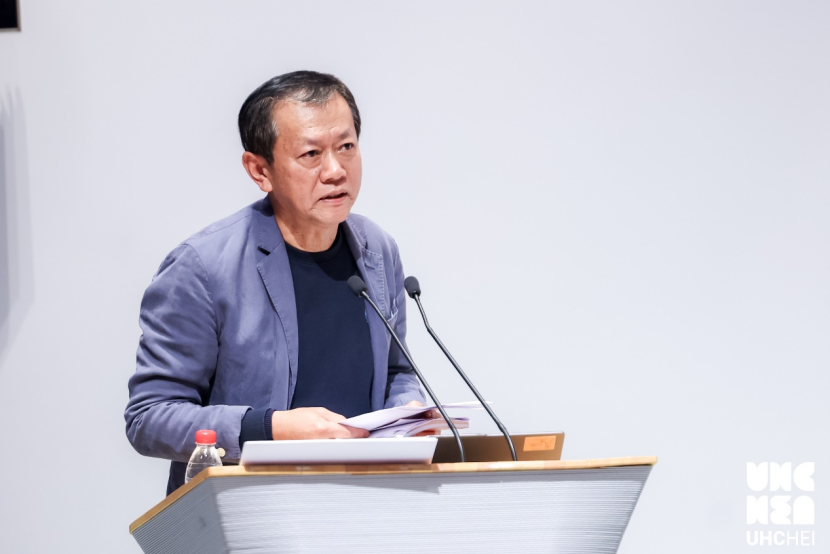
Professor Shao Yong, Director of the World Heritage Institute of Training and Research for the Asia and the Pacific Region under the auspices of UNESCO, Shanghai Centre (WHITR-AP Shanghai), and Professor at the College of Architecture and Urban Planning (CAUP), Tongji University, chaired the opening ceremony. Opening remarks were delivered by Professor Zhao Xianzhong, Member of the CPC Standing Committee and Vice-President of Tongji University; Mr. Ernesto Ottone R., UNESCO Assistant Director-General for Culture; Mr. Song Xinchao, President of ICOMOS China; Mr. Hu Min, Director of the Division for History and Culture Preservation, Department of Energy Conservation and Technology, Ministry of Housing and Urban-Rural Development; and Professor Wang Lan, Dean of the College of Architecture and Urban Planning, Tongji University.
Zhao Xianzhong (Tongji University) emphasized that the conference directly engages with the three fundamental questions of heritage education: why we teach, how we teach, and for whom we teach. He noted that, in the face of increasingly complex global challenges in urban and rural heritage conservation, profound innovation in educational content and methodology is urgently needed. As a pioneer in heritage education in China, Tongji University will build upon the newly established UHC-HEI platform to foster a global cooperation network aimed at advancing sustainable development. He highlighted that the conference’s five thematic forums focus on key issues such as the history of heritage education and the integration of new technologies, and underscored youth participation as a central driving force for the long-term vitality of heritage education.
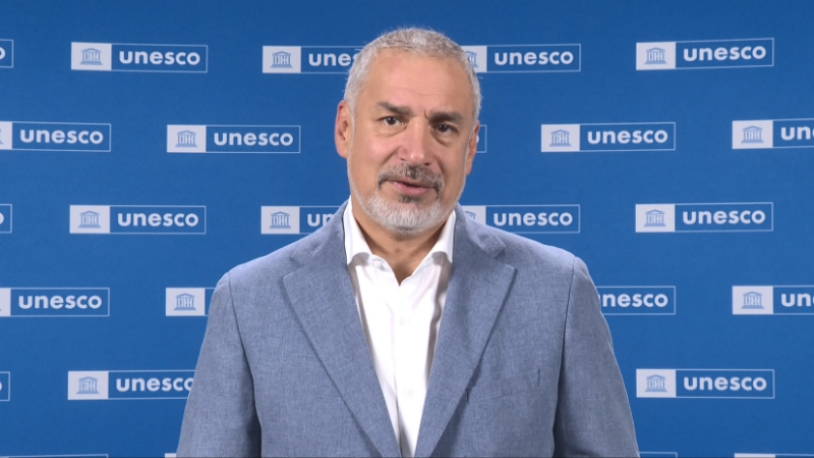
Ernesto Ottone R. (UNESCO) congratulated the network and welcomed the conference as a timely contribution to updating teaching, research and practice in heritage conservation. He commended WHITR-AP’s role as a Category II centre in advancing participatory and inclusive approaches and positioned the Recommendation on Historic Urban Landscape (2011) as a key conceptual anchor. He also noted UNESCO’s operational tools, such as urban heritage atlases and knowledge repositories and called for deeper collaboration between Universities, ICOMOS, ICCROM and other partners to integrate education innovation with the Sustainable Development Goals.
Song Xinchao (ICOMOS China) remarked that the conference theme responds directly to the needs of the present era and speaks to the core of the heritage cause. He emphasized that heritage education serves as a bridge to the future and must nurture a new generation of professionals who combine technical excellence with a strong sense of social responsibility and mission. He underscored that, in a time when global cultural diversity faces increasing challenges, heritage education should place greater emphasis on linking local practice with international vision. He also expressed ICOMOS China’s strong commitment to deepening cooperation with the UHC-HEI Network to jointly advance the integration of heritage conservation into sustainable development processes.
Hu Min (Ministry of Housing and Urban-Rural Development) conveyed congratulations on the convening of the conference and noted that the conference holds particular significance at a time when China places strong emphasis on the protection and transmission of historical and cultural heritage. He commended Tongji University for its systematic contributions to research, practice and talent cultivation in the field of urban and rural heritage conservation. He also put forward three recommendations for the future development of higher education: to deepen the theoretical framework of heritage conservation with Chinese characteristics; to promote practice-oriented innovation that responds to real-world challenges; and to cultivate well-rounded professionals with both a strong sense of national commitment and a broad international vision.
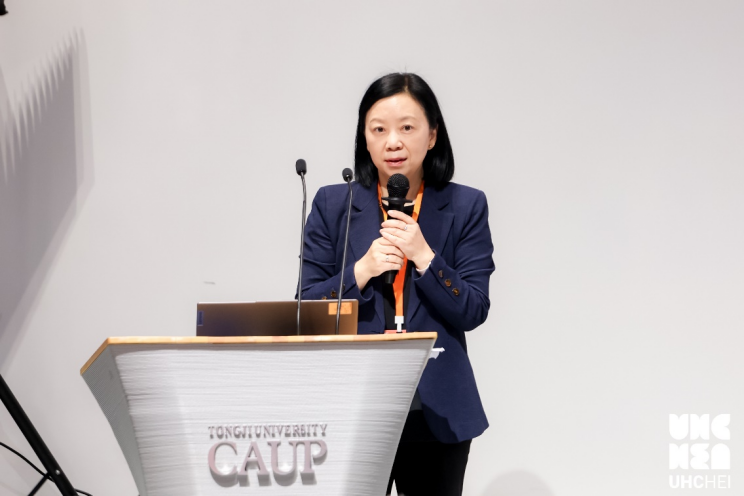
Wang Lan (College of Architecture and Urban Planning, Tongji University) delivered remarks on behalf of the host institution. She highlighted the College’s longstanding commitment to advancing innovation in heritage education through an interdisciplinary approach since its establishment in 1952. She introduced CAUP’s initiatives in developing the programme on Historic Building Conservation Engineering, establishing a materials pathology laboratory, and promoting international joint teaching. She affirmed that, building upon the UHC-HEI platform, the College will continue to explore new models for heritage education and capacity building through curriculum renewal, practice-based innovation, and international collaboration. UHC-HEI Membership Certificate Ceremony — Opening a New Chapter in Global Cooperation
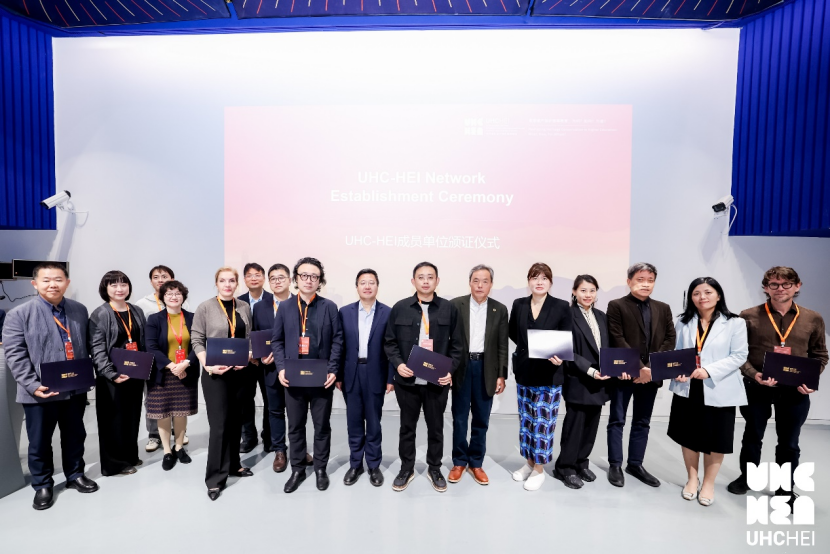
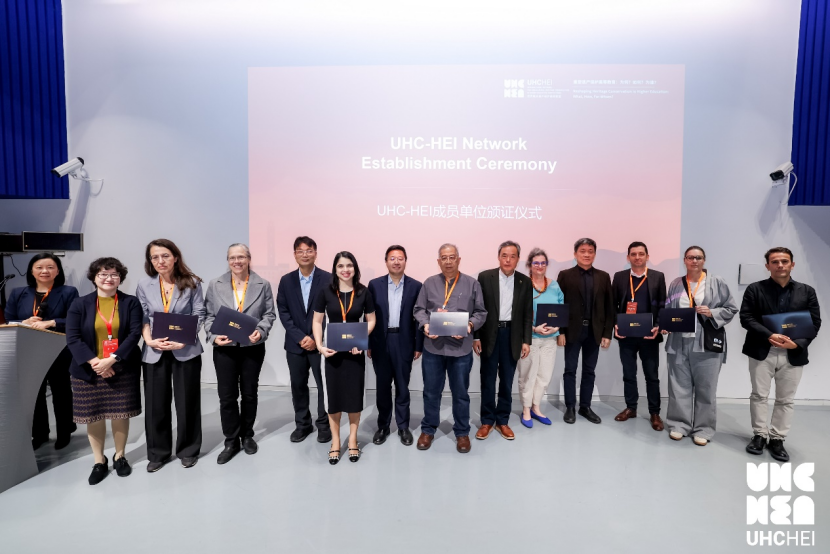
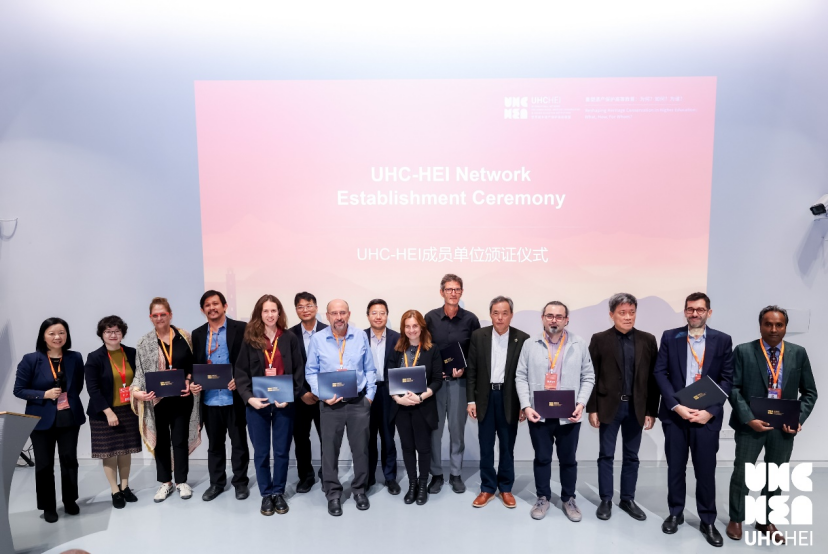
During the opening ceremony, representatives from over 30 universities worldwide received official UHC-HEI membership certificates. The event marked the formal launch of the International Network for Urban–rural Heritage Conservation in Higher Education Institutions (UHC-HEI) and laid a solid institutional foundation for sustained international collaboration and joint action in the years ahead.
Exhibition Opening — Showcasing the Outcomes of Heritage Education
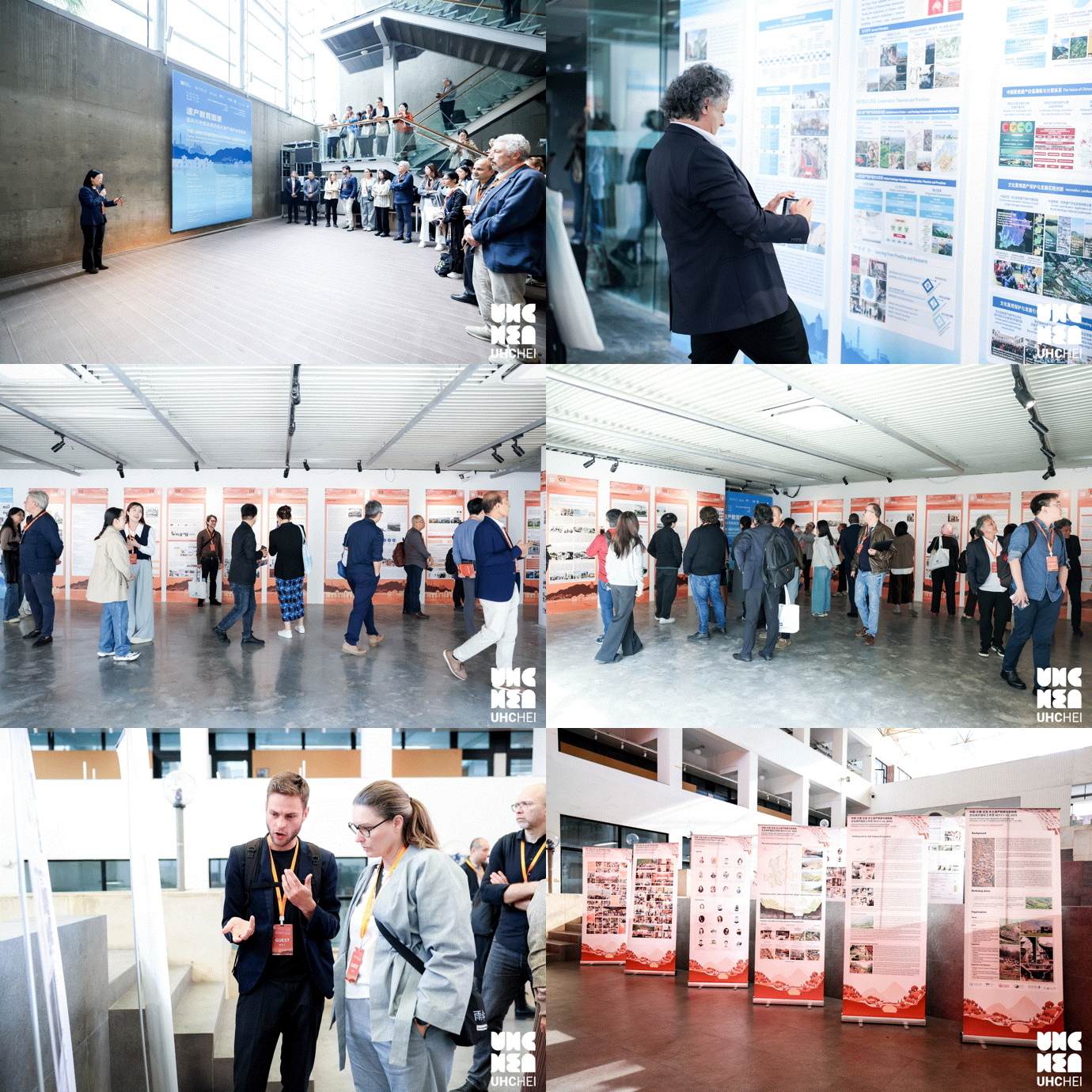
Following the ceremony, delegates proceeded to the exhibition halls of the College of Architecture and Urban Planning (CAUP) to attend the inauguration of two exhibitions: “The Heritage Educational Landscape: Higher Education for Urban and Rural Heritage Conservation for Sustainable Development” and “Outcomes of the 2025 Dali Yunlong International Workshop on Tangible and Intangible Culture of Vernacular Heritage.”
Professor Zhang Peng, Vice-Dean of CAUP, delivered opening remarks on behalf of the College, extending a warm welcome to all guests. He noted that the two exhibitions represent proactive responses to the global challenges of rapid urbanization, climate change and the safeguarding of cultural diversity. He introduced the exhibitions’ five dimensions — learning objectives, educators, learners, curriculum content and teaching methods — and illustrated how these are reflected through concrete case studies showcasing frontier practices in heritage education worldwide. From the conservation and renewal of the Bund and Nanjing Road in Shanghai to field projects in Xigaze, Tibet, and Pingyao, Shanxi Province, the exhibitions demonstrate CAUP’s extensive experience and academic depth in heritage education. Professor Zhang invited delegates to engage with the College’s faculty and students to explore new avenues for dialogue and collaboration.
Keynote Addresses — Experts Discuss the Future of Heritage and Education
Professor Zhou Jian, College of Architecture and Urban Planning, Tongji University, chaired the keynote session, which featured five distinguished experts from China and abroad who shared insightful perspectives on the future of heritage and education.
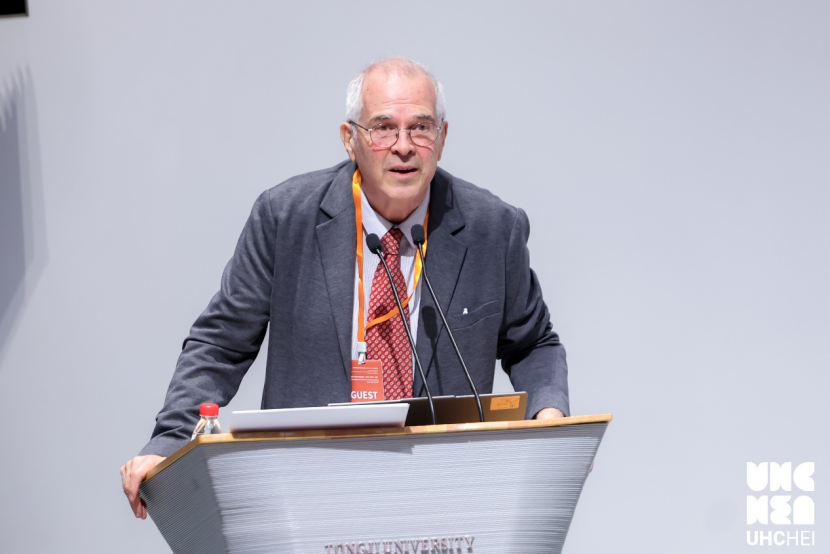
Alain Marinos (Architect and Urban Planner; Member of the French Academy of Architecture; Honorary Inspector-General for Architecture and Heritage, Ministry of Culture, France) — In his lecture “A Sense of Place, Meaning, and Value Today: A Tribute to Françoise Choay,” Marinos opened with a tribute to the heritage theorist Françoise Choay and called for a renewed, people-centered approach to heritage conservation. He emphasized the need to view historic urban areas as living organisms and to place residents at the heart of conservation through meaningful public participation. He advocated prioritizing adaptive reuse and revitalization as strategies to transform heritage into a positive driver of sustainable development, and proposed piloting integrated governance and mixed-use approaches in selected sites. He cautioned against the twin pitfalls of “progressive illusion” and “cultural nostalgia,” underscoring the importance of everyday use, dialogue and grounded practice in keeping heritage alive.
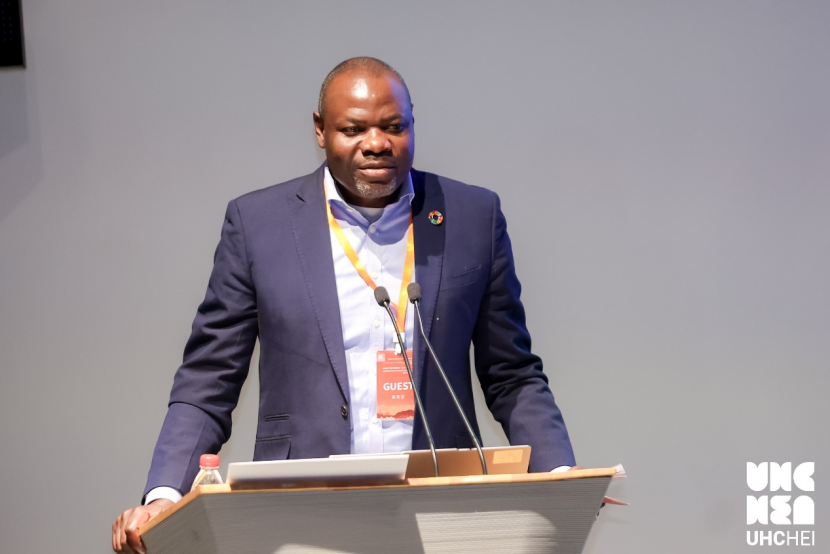
Dr Remy Sietchiping (Chief, Policy, Legislation and Governance Section, Urban Practices Branch, UN-Habitat) — In his keynote address, “Reimagining Heritage through Urban–Rural Linkages and Territorial Development,” Dr Sietchiping defined heritage as a strategic and forward-looking resource, noting that “heritage is not only what we inherit, but what we choose to transform.” He elaborated on UN-Habitat’s integrated approach to embedding culture and heritage into policy, legislation, metropolitan management and urban–rural linkages to foster inclusive and resilient territorial development. He underscored the role of heritage within the Sustainable Development Goals (particularly Target 11.4) and the New Urban Agenda, and introduced the agency’s tools and initiatives to mainstream heritage in national and local urban policies. Dr Sietchiping also outlined UN-Habitat’s priorities in capacity building, technical assistance, advocacy, financing partnerships and evidence-based research. Highlighting flagship initiatives such as the Heritopolis Metropolitan Heritage Network and the upcoming Urban–Rural Linkages Forum (3–6 November 2025), he called for strengthened partnerships among academia, communities and city governments, positioning UN-Habitat as both a technical partner and a key facilitator in advancing heritage as a driver for sustainable urban and territorial futures.
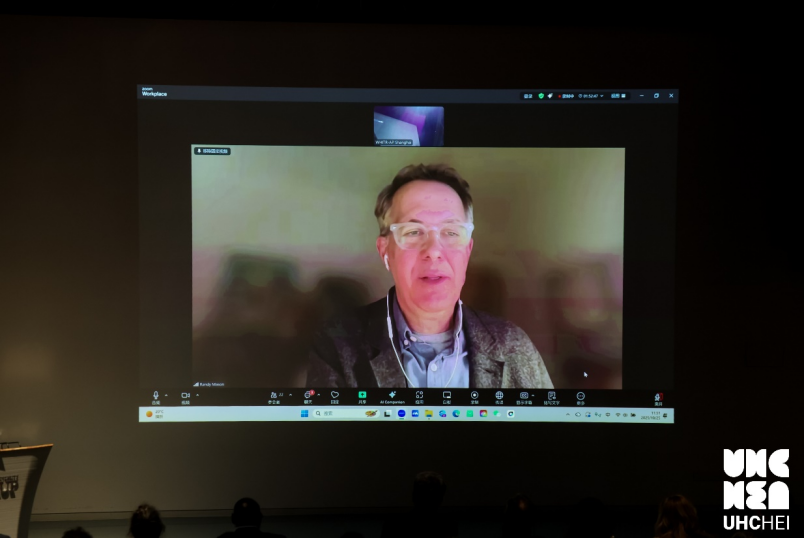
Professor Randall Mason (Weitzman School of Design, University of Pennsylvania) — In his keynote speech “Moving the Profession Forward,” Professor Mason identified education as the driving force behind the professional advancement of heritage conservation. Citing the ideas of Rachel Carson and Herbert Simon, he advocated for a dynamic, design-thinking approach that prepares the field to respond effectively to rapid cultural transformation. He cautioned against the widening gap between the evolution of heritage forms and the adaptability of heritage education, noting the growing complexity brought about by governance uncertainties and the expansion of heritage typologies and theories. To address these challenges, he outlined the University of Pennsylvania’s strategy: restructuring a resilient core curriculum that focuses on process and method rather than narrow content; ensuring in-depth field experience; broadening core competencies such as digital documentation, GIS, economic literacy, partnership building and negotiation; adopting a studio-based, design-oriented methodology to cultivate collaboration and adaptability; and supporting student wellbeing and professional growth. These actions, he concluded, aim to equip a new generation of professionals capable of shaping meaningful futures for heritage in an ever-changing world. 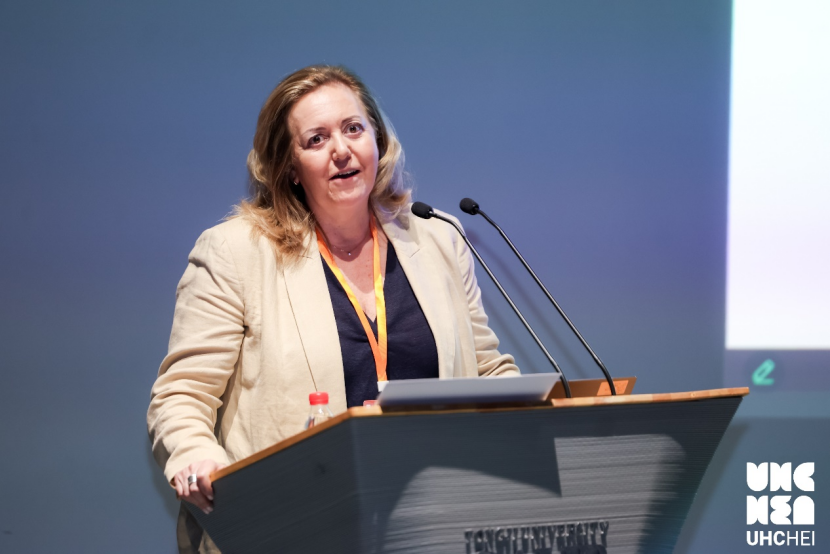
Professor Cristina González-Longo (Director, MSc in Architectural Design for the Conservation of Built Heritage, Department of Architecture, University of Strathclyde; President, ICOMOS International Scientific Committee on Education and Training – CIF) — In her keynote address, “The Epistemology of Architectural Conservation,” Professor González-Longo called for the practice of conservation to be firmly grounded in rigorous knowledge, design, and education. She observed that theoretical and design thinking in the field have lagged behind rapid advances in materials science and recording technologies, warning of conceptual ambiguities, weak public discourse, and a widening disconnect between international principles and local practice. She urged professionals to “read” monuments through careful processes of value assessment, documentation, diagnosis, and interpretation, while upholding the fundamental conservation principles of minimum intervention, reversibility, and clear distinguishability of additions. Emphasizing conservation as a creative architectural endeavor that requires highly specialized expertise, she advocated for stronger “research-to-education” pathways, enhanced professional training, and the adoption of AI-assisted methods for survey and assessment. She further encouraged empowering building owners, rethinking asset management, and developing innovative funding mechanisms. Drawing inspiration from theorists such as Ruskin, Riegl, Brandi, and Boito, as well as from exemplary cases such as Queensberry House, she outlined a comprehensive model for the discipline — one built on research, knowledge, education, training, and experience — to guide architectural conservation into the future. 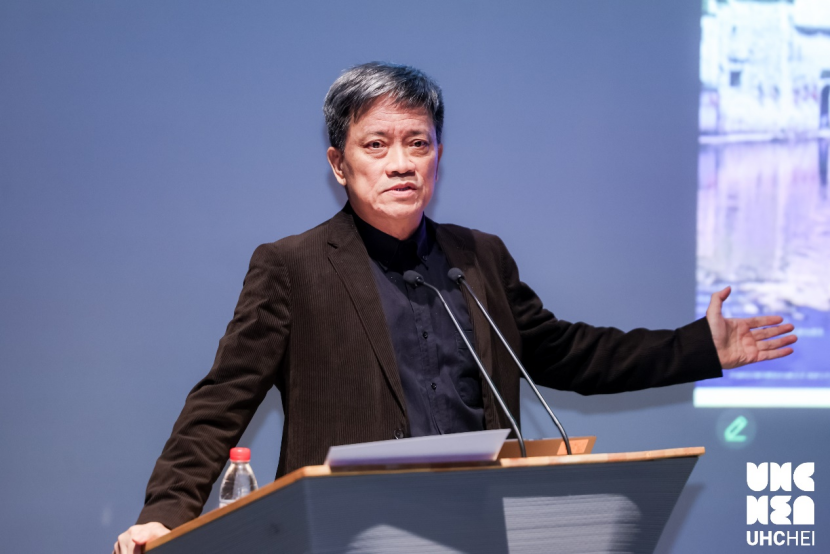
Professor Chang Qing (Academician of the Chinese Academy of Sciences; Professor, College of Architecture and Urban Planning, Tongji University) — In his presentation “Regenerative Way of Environment around Cultural Heritage Site —— from Education, Research to Heritage Conservation Project,” Academician Chang set out the synergistic relationship between inheritance and innovation in built-heritage conservation. He traced the evolution of international conservation thought — from the Athens Charter’s principle of separation between old and new to the Machu Picchu Charter’s emphasis on integration and coexistence — and proposed the guiding principle of “new–old symbiosis” (harmonious coexistence in difference). He reviewed Tongji University’s establishment in 2003 of China’s first Historic Building Conservation Engineering programme, structured around theory, design and technology modules and supported by a Materials Pathology Laboratory, and highlighted the programme’s emphasis on surveying fieldwork, mapping exercises and international joint teaching. Drawing on projects such as the Bund historic-district renewal, the conservation and regeneration of Samzhubzê (Sangzhutse) Dzong, Shigatse (Xigaze), and the Qu Yuan Museum, Miluo, he illustrated approaches that retain and repair the original fabric while introducing contemporary interventions that engage in dialogue with the historic fabric. Several of these projects have received Asia-Pacific architectural awards. He emphasized that conservation is a careful process of managing relations between old and new — balancing preservation, restoration and appropriate new construction — and argued that well-managed heritage can become a cultural driver of socio-economic development: “The best way to inherit history is to re-create new history.” Programme and field activity — Forum themes and study routes
The conference extended over two days, featuring five parallel thematic forums that encompassed key topics, including over 120 specialized presentations across 19 thematic blocks, reflecting the latest frontiers of thinking and practice in heritage education. A special youth event, “Heritage After Hours: The Tangible/Intangible Debate,” provided an interactive platform for early-career researchers and students to exchange ideas and perspectives on contemporary heritage discourse.
The conference concluded with a closing ceremony on the afternoon of 26 October, followed by field visits on 27 October to significant heritage sites in Shanghai, offering participants experiential learning opportunities that connected theory with practice.
Please continue to follow the UHC-HEI webpage for further updates and post-conference reports. |


- News|Executive Vice President Lyu Peiming Meets with UNESCO External Evaluation Expert
- News | UNESCO Office in Hanoi and WHITR-AP Shanghai Hold Bilateral Cooperation
- Preview丨2026 HeritAP Chat on WH Contribution to SDGs Knowledge & Skills
- 2026 Call for Applications | Young Masters for Heritage Conservation
- News| Growing Up in Pingyao Named to the 100 Best Books of the 13th “New Reading China Children‘s Book List” (2025)
- News | First Session of UHC-HEI Steering Committee



Copyright © 2009-2026 World Heritage Institute of Training and Research for the Asia and the Pacific Region