
| News | UNESCO Office in Hanoi and WHITR-AP Shanghai Hold Bilateral Cooperation |
| PublishDate:2026-05-26 Hits:2670 |
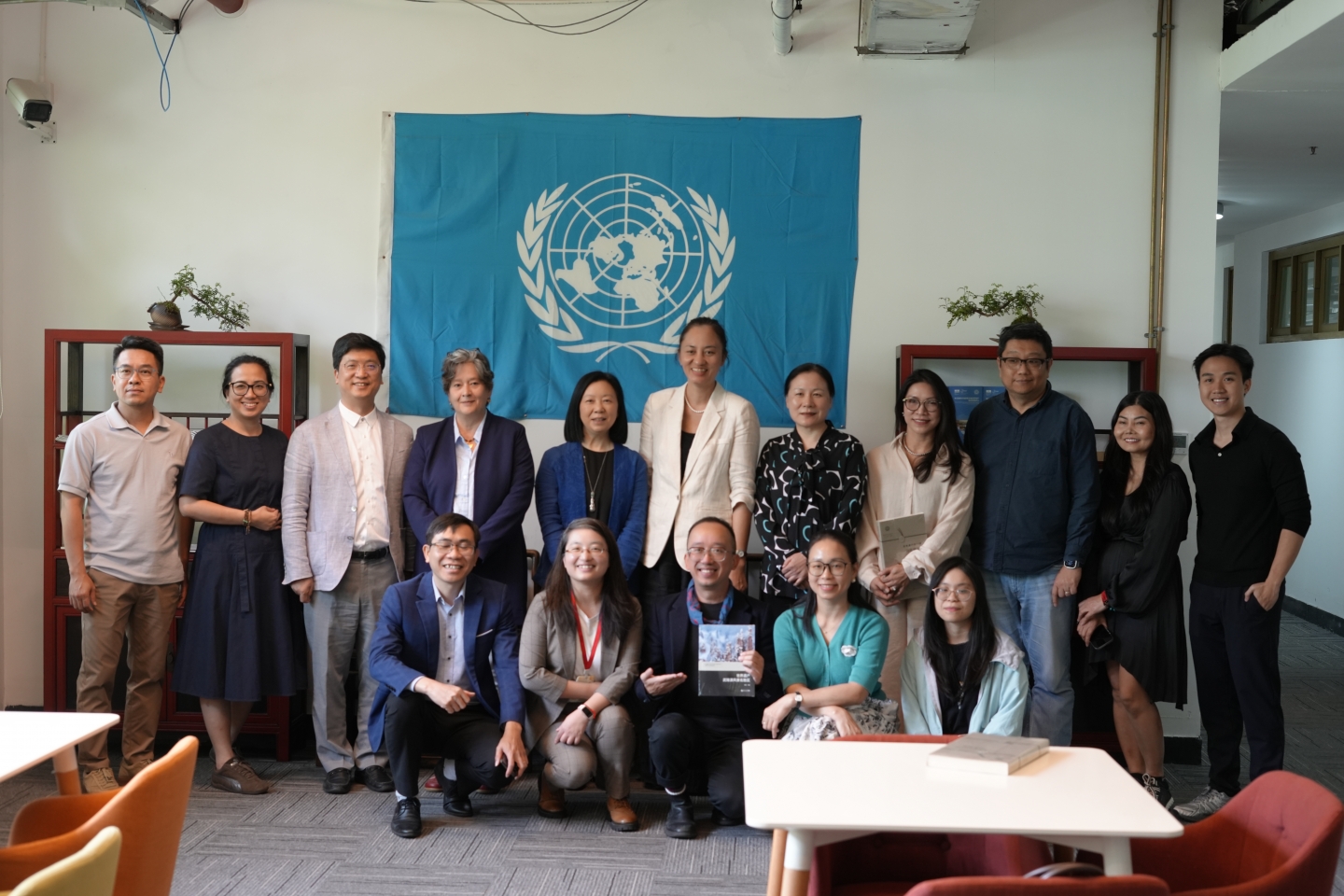
Figure 1. Group photo
On May 13, 2026, the World Heritage Institute of Training and Research for the Asia-Pacific Region under the auspices of UNESCO (WHITR-AP Shanghai) held bilateral cooperation talks with the UNESCO Hanoi Office at Wenyuan Building of Tongji University.
The Vietnamese delegation comprised representatives from the UNESCO Hanoi Office, World Heritage authorities, creative city departments, cultural heritage conservation institutions and enterprises. Relevant officials from the WHITR-AP Shanghai, the College of Architecture and Urban Planning (CAUP) of Tongji University, and Shanghai Tongji Urban Planning & Design Institute Co., Ltd. (TJUPDI) attended the meeting. The two sides engaged in in-depth discussions on multi-stakeholder collaboration pathways centering on heritage conservation and sustainable development.
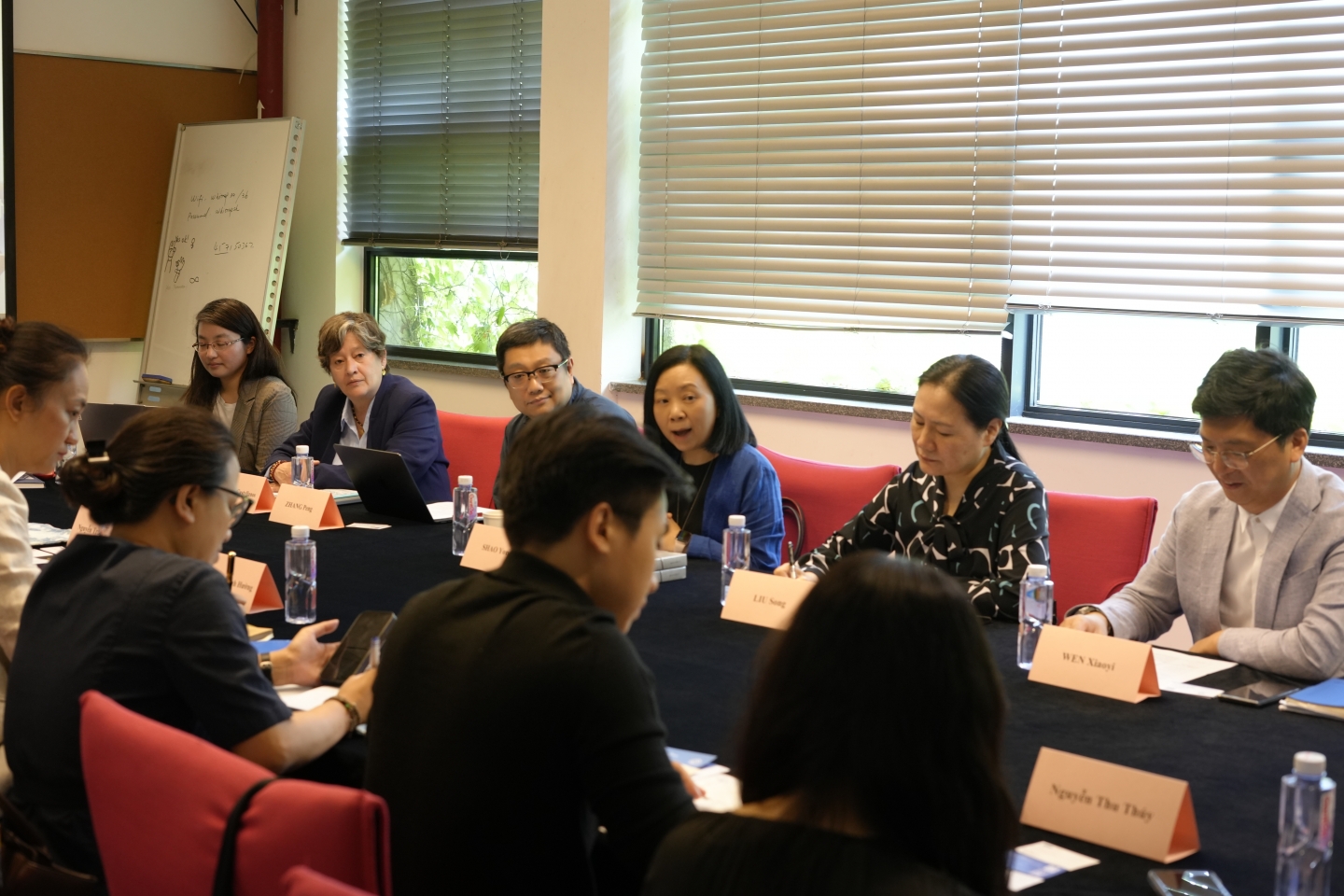 Figure 2. Professor Shao Yong, Director of WHITR-AP Shanghai, introduces the Chinese participants.
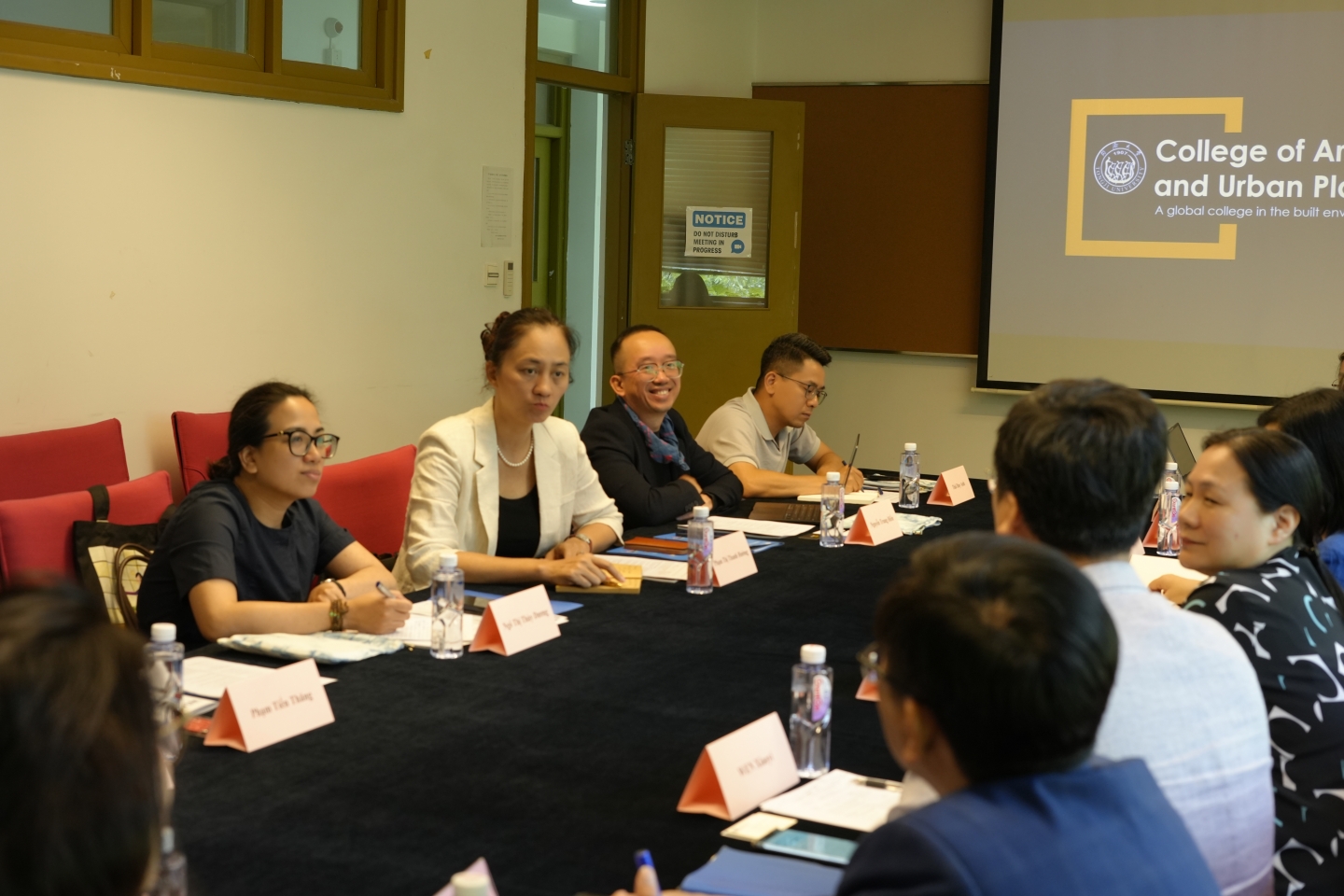 Figure 3. Ms Pham Thi Thanh Huong, Chief of Culture Unit at the UNESCO Hanoi Office, introduces the Vietnamese delegation.
The talks opened with Professor Shao Yong, Director of WHITR-AP Shanghai, introducing the Chinese participants, followed by MsPhạm Thị Thanh Hường, Chief of Culture Unit at the UNESCO Hanoi Office, introducing the Vietnamese delegation members. Ms Li Hong, Project Director of WHITR-AP Shanghai, presented the WHITR-AP Shanghai’s functional framework, focusing on its four strategic directions:
First, World Heritage and sustainable development. in the context of global sustainable development, WHITR-AP Shanghai conducts research on the integrated conservation of living heritage, tangible and intangible heritage, and cultural and natural heritage. It leverages digital technologies, Historic Urban Landscape (HUL) approaches, sustainable tourism and other tools to advance the contribution of world heritage to sustainable development goals.
Second, capacity-building. This area covers both non-formal and formal education, including thematic training at the international, regional, national and site levels, as well as degree programmes and youth outreach through university-based systems.
Third, implementation of the World Heritage Convention. within the framework of the World Heritage Convention, WHITR-AP Shanghai carries out research and provides technical advice on World Heritage nomination, conservation and management.
Fourth, cooperation and exchange. WHITR-AP Shanghai actively builds cooperation platforms, organizes meetings and lectures, implements internship programmes, and promotes the sharing of experience.
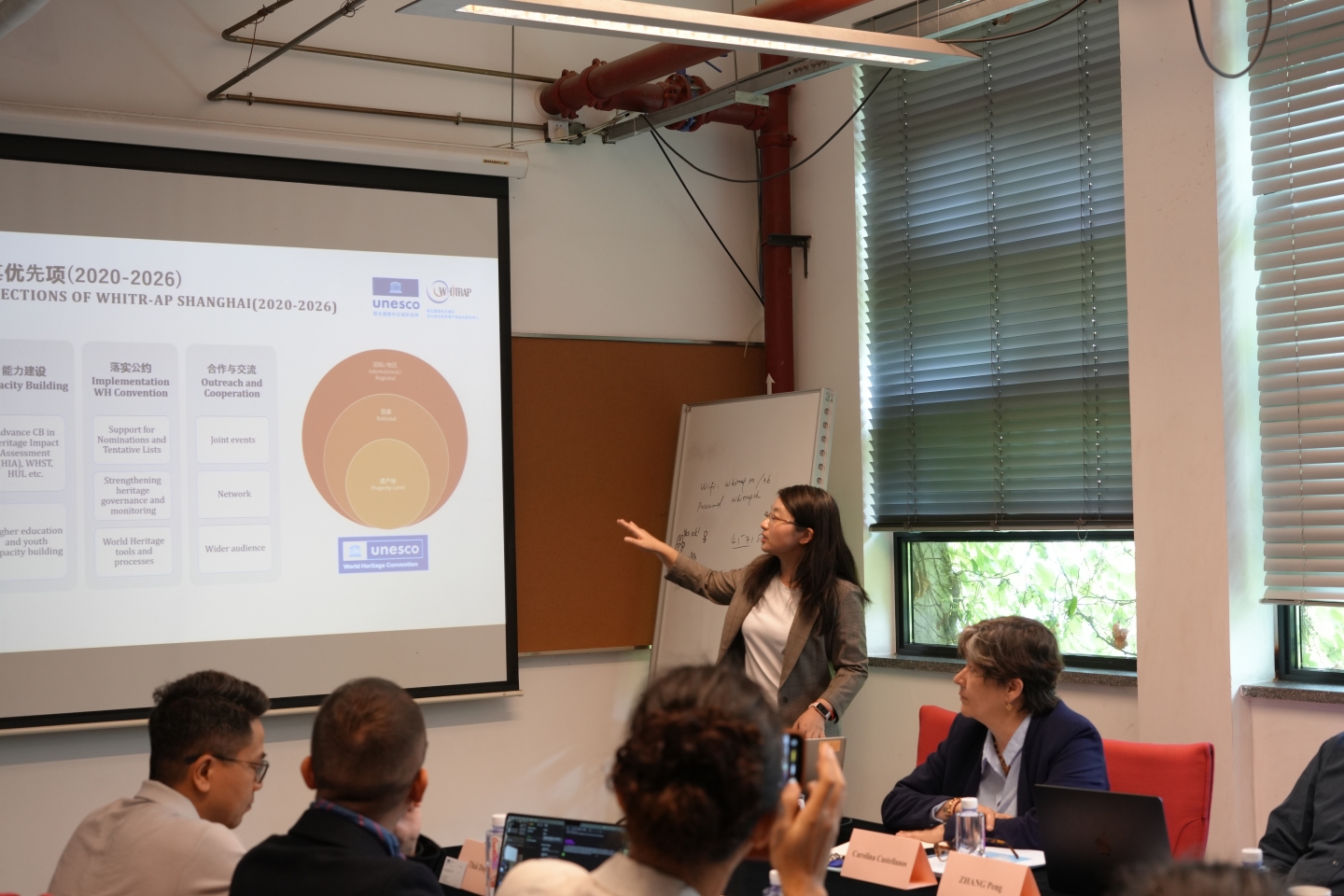 Figure 4. Ms Li Hong, Programme Director of WHITR-AP Shanghai, presents the Sub-Centre’s functional framework.
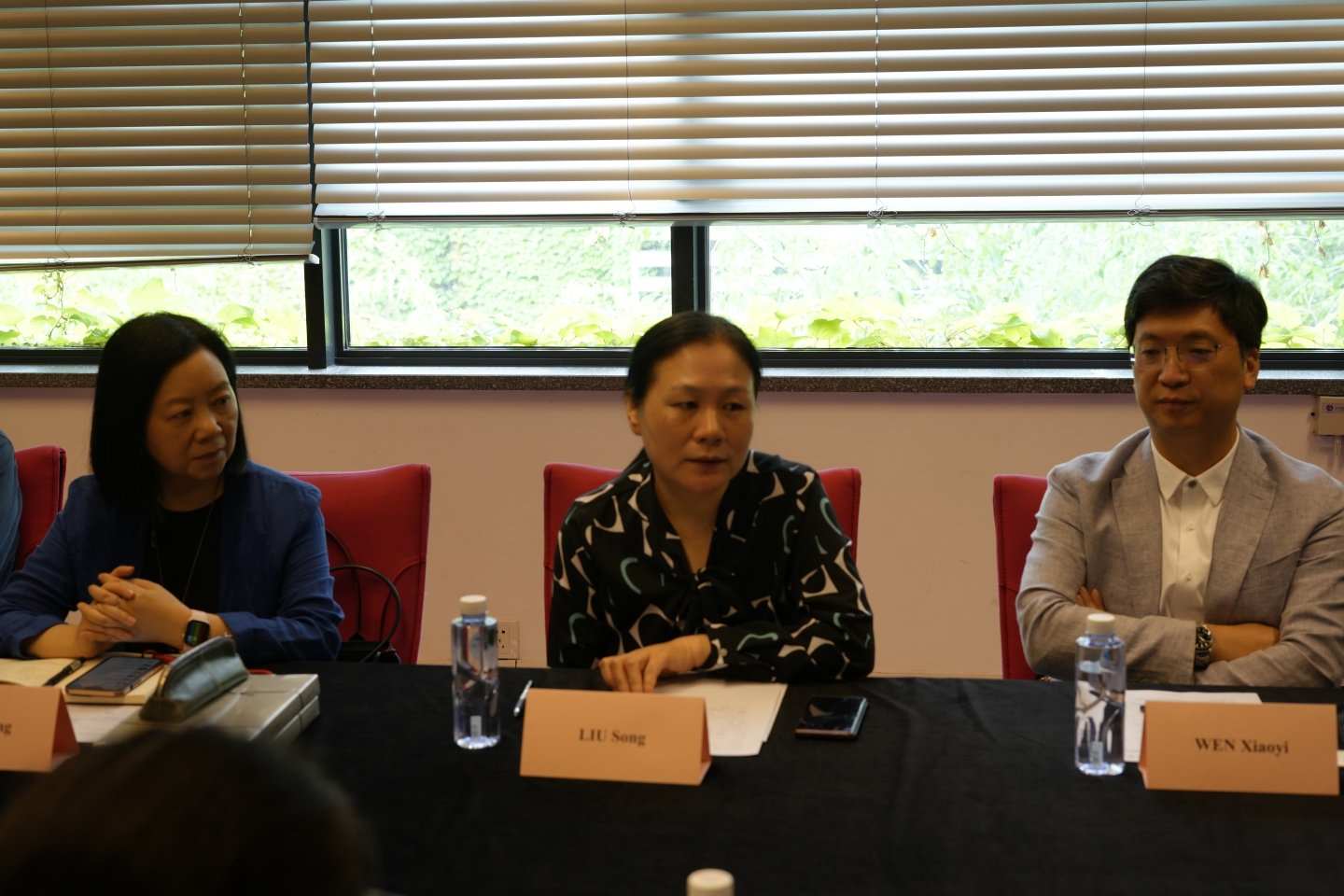 Figure 5. Ms Liu Song, Secretary of the CPC Committee of TJUPDI
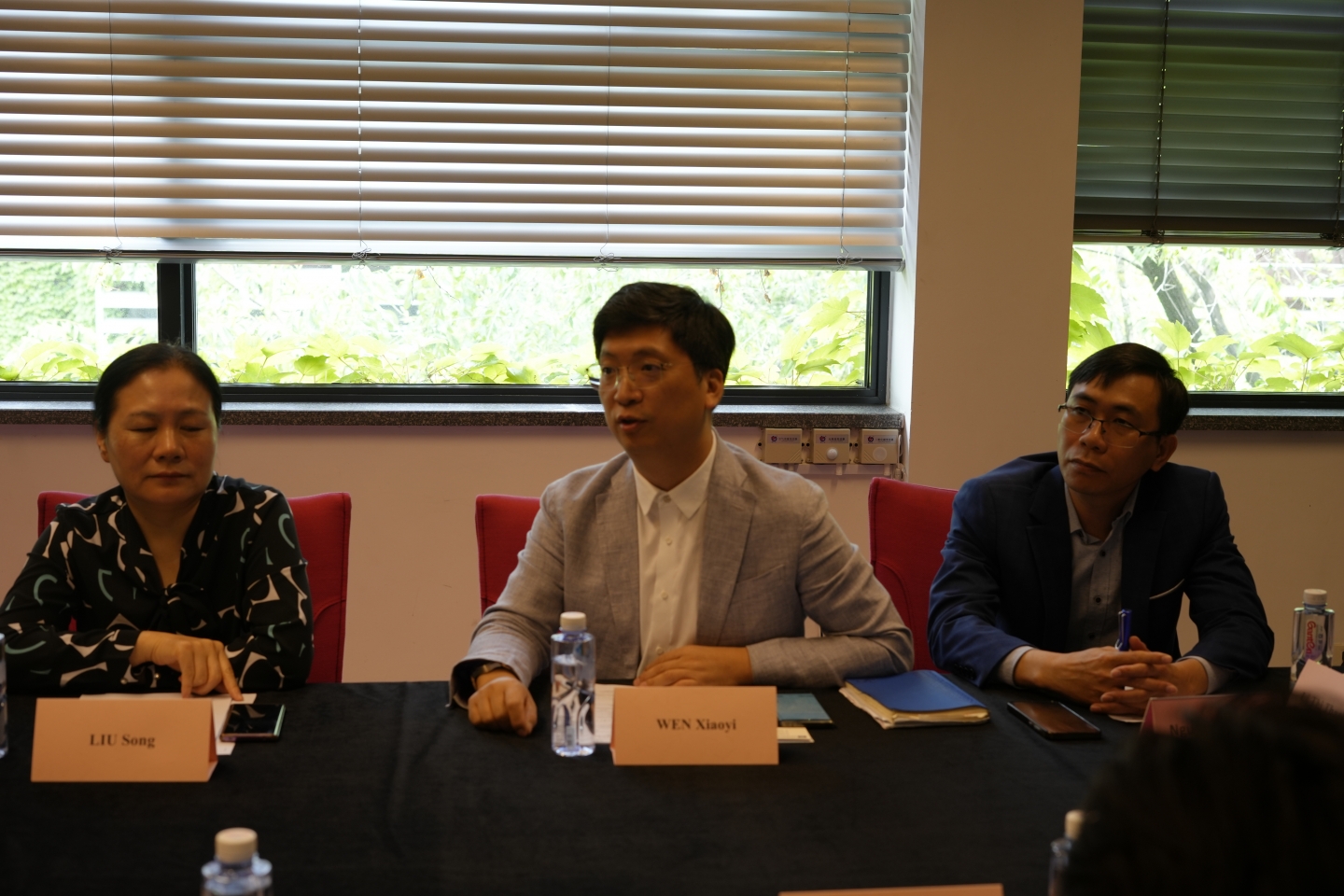 Figure 6. Mr Wen Xiaoyi, Director of the International Cooperation and Consulting Centre
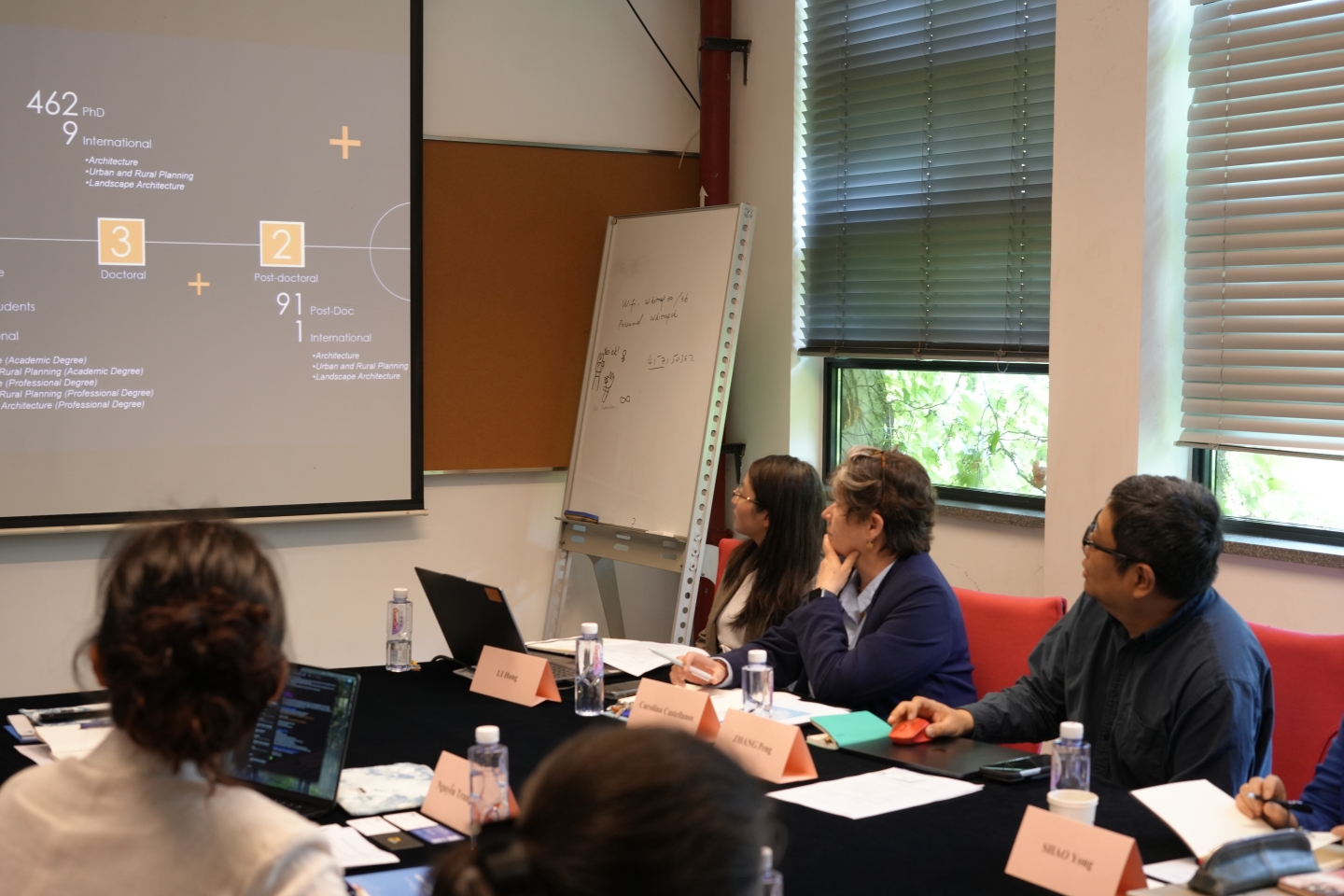 Figure 7. Professor Zhang Peng, Vice Dean of CAUP
Ms Liu Song, Secretary of the CPC Committee of TJUPDI, introduced the Institute’s technical expertise in areas such as urban and rural planning, heritage conservation, and urban regeneration.
Mr Wen Xiaoyi, Director of the International Cooperation and Consulting Centre (ICCC), presented TJUPDI’s projects in Viet Nam, including the Master Plan for Hanoi, highlighting the Institute’s practical experience in Southeast Asia.
Professor Zhang Peng, Vice Dean of CAUP, introduced the College’s disciplinary strengths in heritage conservation, urban planning, and architectural design, with a focus on its international curricula and cross-border talent development model.
Ms Phạm Thị Thanh Hường then introduced Viet Nam’s progress and needs in World Heritage conservation, the development of Creative Cities, and the adaptive reuse of industrial heritage.
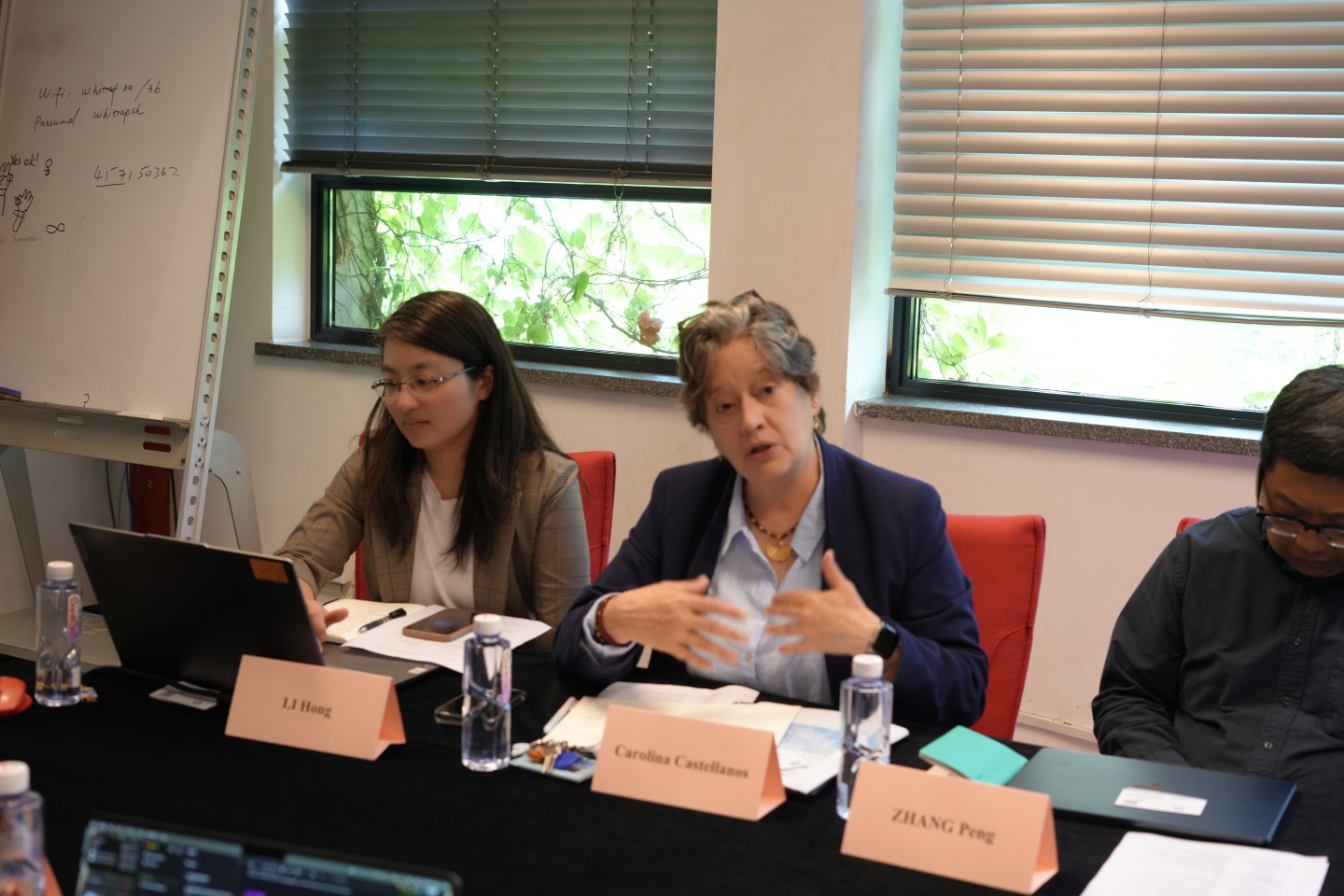 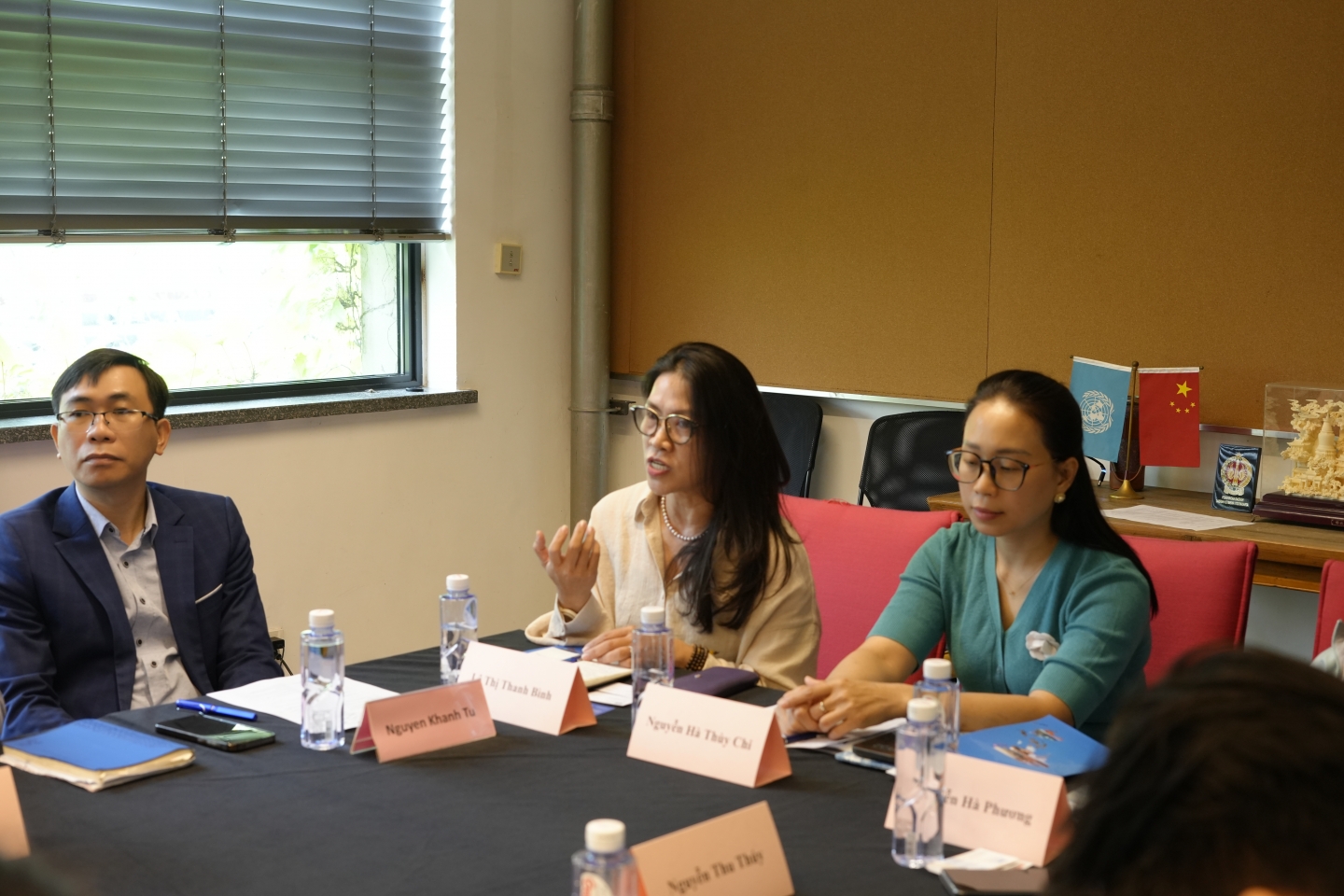 Figure 8. Participants engage in discussion.
During the bilateral discussion session, the Vietnamese delegation raised issues related to heritage conservation and development, covering technical aspects such as World Heritage site management, Heritage Impact Assessment, sustainable tourism, and the adaptive reuse of industrial heritage, as well as policy approaches to communicating the value of heritage conservation to decision-makers, balancing conservation and development, and promoting multi-stakeholder governance.
The two sides exchanged experiences on these topics. The Chinese side shared practices in conservation planning, capacity-building, public participation, and international cooperation, while the Vietnamese side presented its efforts and challenges in heritage nomination, Creative Cities management, and cultural IP development.
The Vietnamese delegation expressed its hope to establish a regular cooperation mechanism, strengthen collaboration with WHITR-AP Shanghai, CAUP, and TJUPDI, and draw on China’s good practices to enhance Viet Nam’s capacity in heritage conservation and sustainable development.
Contributed by Li Hong Designed by Wang Yiyun (Intern) Web typeset by Zhang Yidan (Intern) Edited by Liu Zhen Reviewed by Shao Yong |


- News | Secretary-General of the WHITR-AP and Delegation from the Suzhou Sub-Centre Visit the UNESCO World Heritage Centre
- News | 2026 HeritAP Chat on World Heritage Contribution to SDGs Knowledge & Skills
- News|Executive Vice President Lyu Peiming Meets with UNESCO External Evaluation Expert
- News | UNESCO Office in Hanoi and WHITR-AP Shanghai Hold Bilateral Cooperation
- Preview丨2026 HeritAP Chat on WH Contribution to SDGs Knowledge & Skills
- 2026 Call for Applications | Young Masters for Heritage Conservation



Copyright © 2009-2026 World Heritage Institute of Training and Research for the Asia and the Pacific Region