
| Call For Good Practices | World Heritage Contribution to SDGs |
| PublishDate:2025-12-02 Hits:4222 |
Application Deadline:31 March 2026 Since 2023, WHITR-AP Shanghai has launched the HeritAP Initiative on World Heritage Contribution to Sustainable Development Goals. Now, it is calling for Good Practices from heritage practitioners on how heritage conservation and management contribute to sustainable development.
The Heritage Asia-Pacific (HeritAP) is a network of heritage practitioners supported by WHITR-AP Shanghai. It aims to foster the sharing of knowledge and experiences among individuals and institutions in the Asia-Pacific Region by establishing diverse links between individuals, groups and institutions, adhering to the philosophy that true knowledge springs from practice.
BACKGROUND
The United Nations Sustainable Development Goals (SDGs) are the core guidelines for global development work in 2015-2030. In 2015, UNESCO adopted the "Policy on the Integration of a Sustainable Development Perspective into the Processes of The World Heritage Convention" to guide the protection and management of World Heritage. The "Regional Framework Action Plan for Asia and the Pacific (2023 - 2030)" adopted by the World Heritage Committee, considers good sustainable development cases as one of the performance indicators.
In addition, the UNESCO Thematic Indicators for Culture (Culture| 2030 Indicators) proposed a conceptual framework to measure and monitor the progress of culture's enabling contribution to the SDGs with four transversal thematic dimensions: 1. Environment & Resilience; 2. Prosperity & Livelihoods; 3. Knowledge & Skills; 4. Inclusion & Participation.
As aforementioned, in 2023, encouraged by UNESCO, WHITR-AP Shanghai launched the "World Heritage Contribution to Sustainable Development Goals" project (2023 - 2028) in the Asia - Pacific region. A steering group was established with representatives from UNESCO World Heritage Centre, the World Heritage Advisory Bodies (ICOMOS, ICCROM and IUCN), the Southeast Asian Ministers of Education Organization Regional Centre for Archaeology and Fine Arts (SEAMEO SPAFA), and the International Centre on Space Technologies for Natural and Cultural Heritage (HIST). The overarching aim of the project is to facilitate the dialogue between a range of viewpoints, identify Good Practices based on the four transversal thematic dimensions established by the 2030 Culture Indicators, and provide guidance to heritage practitioners to effectively contribute to sustainable development.
The overall goals of the project are as follows:
Facilitate the understanding of the 2015 Policy on Integration of a Sustainable Development Perspective into the Processes of the World Heritage Convention and contribute to the implementation of the Regional Framework Action Plan for Asia and the Pacific (2023-2030).
Promote capacity development and information exchange between heritage practitioners on good practices to streamline sustainable development in heritage conservation and management.
Disseminateexperiences and lessons learned from good practices in World Heritage contribution to SDGs, recognize and reward the contributions made by heritage practitioners.
Assist practitioners, institutions, communities, and networks involved in World Heritage to harness the benefits that engagement in sustainable development can deliver to properties.
01 | EVENT RECAP On 27 November 2024, the 2024 HeritAP Annual Meeting — "World Heritage Contribution to Sustainable Development Goals: Environment & Resilience Awards and Call for Good Practice in Prosperity & Livelihood" — was successfully held in Hangzhou, China. The meeting brought together over 140 heritage practitioners, including experts and scholars from China and abroad.
From January to March 2025, HeritAP launched the Call for Good Practice. The 2025 theme is "Prosperity and Livelihood."
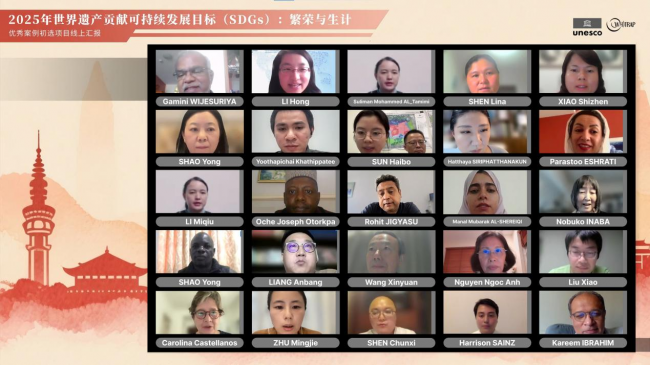
 On 7 June 2025, the World Heritage Dialogue: Online Presentation of Preliminary Selection Projects for 2025 "Prosperity & Livelihood" Good Practices was successfully held. Eight experts served on the evaluation panel, and representatives from 18 heritage places across 9 countries (Yemen, China, Thailand, Iran, Nigeria, Oman, Kenya, Vietnam, and Egypt) presented their cases. The Zoom meeting was joined by 28 HeritAP members, and the livestream received 3,100 views.
For more background information, please visit the HeritAP website: heritap.whitr-ap.org
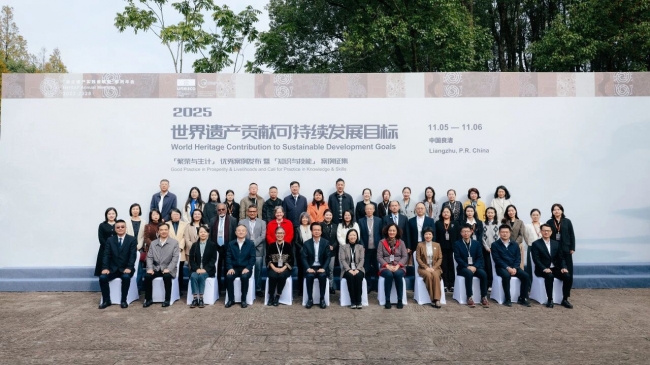
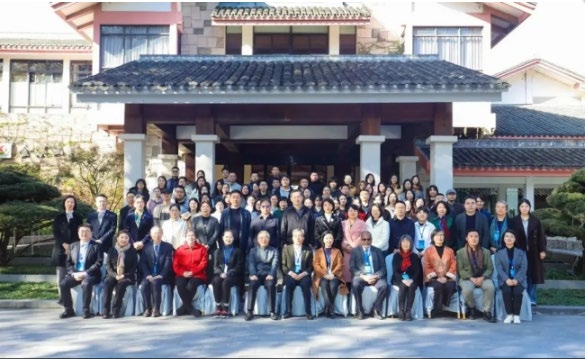
 From 5 to 6 November 2025, the 2025 HeritAP Annual Meeting—"World Heritage Contribution to Sustainable Development Goals: 2025 Good Practice in Prosperity & Livelihoods and 2026 Call for Practice in Knowledge & Skills"—was successfully held in Liangzhu, Hangzhou, China. More than 80 heritage practitioners and experts from China and abroad participated in the meeting.
 For more background information, please visit the HeritAP website: heritap.whitr-ap.org
02 | KNOWLEDGE & SKILLS (2026)
The theme for the 2026 call for practices are “Knowledge & Skills”. This thematic dimension provides a framework for evaluating the role of heritage in developing knowledge and skills, including traditional knowledge and cultural diversity. It emphasizes the contribution of heritage in transmitting local values, knowledge, and skills, and fostering empowerment through education, training, processes, policies, and materials. The focus is on integrating heritage knowledge into primary, secondary, and tertiary education, as well as vocational training and to assess the commitment of public authorities and institutions in leveraging heritage knowledge to foster respect for cultural diversity, understanding of sustainable development, and transmission of values. Additionally, it prioritizes cultural and natural training, including advanced training in heritage conservation, and promotes skills and competence in creative fields.
This thematic dimension also directly supports UNESCO's Promoting Tangible – Intangible Synergies at UNESCO Designated Sites in Asia-Pacific by generating and sharing integrated knowledge systems that treat built fabric, landscapes, and living practices as mutually reinforcing resources. By embedding both tangible and intangible elements in education, training, and policy tools, it equips practitioners to document, interpret, and safeguard sites holistically; facilitates joint curricula that link craft techniques to conservation science; and strengthens local capacity to manage heritage places as dynamic cultural-ecological systems.
03 | TARGET AUDIENCE
This call is open to all heritage practitioners directly involved in heritage conservation and management. The applicants can be individuals, organizations, or a combination of individuals and organizations.
 Categories of Heritage Practitioners Eligible to Apply
Projects are located at heritage sites that have been inscribed on the World Heritage List or the Tentative List.
For World Heritage List, please click here:
https://whc.unesco.org/en/list/
For the Tentative List, please click here: https://whc.unesco.org/en/tentativelists/?action=listtentative&order=states
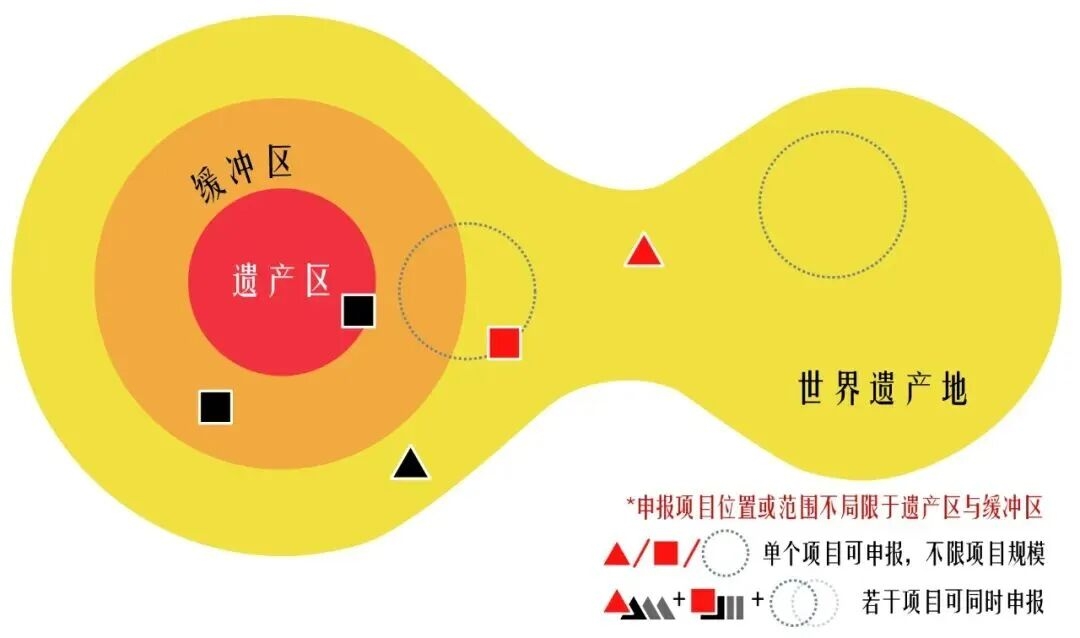
The location or scope of the projects is not limited to the World Heritage property or buffer zone.
04 | BENEFITS OF PARTICIPATION By participating in this Call for Good Practices, applicants will reap the following benefits:
1 Authoritative Affirmation and Value Highlighting
The heritage conservation and management efforts will receive official recognition on an international scale. Certificates will be granted by WHITR-AP Shanghai, a UNESCO Category 2 Center. This serves as both an acknowledgment of past endeavors and a powerful impetus for future initiatives. Moreover, outstanding cases will be forwarded to the UNESCO World Heritage Centre. This will enable heritage sites to stand out in the international heritage conservation arena, draw widespread attention, and further underscore their intrinsic value.
2 Exchange and Mutual Learning to Optimize Development Paths
It offers a unique opportunity to engage in communication and exchange with UNESCO heritage conservation experts and other outstanding practitioners internationally. Participants can share the sustainable development approaches of their respective heritage sites and jointly explore optimization strategies. In the process of exchanging ideas, the local concepts of how World Heritage contributes to sustainable development can be further enriched. Particularly for the heritage site hosting the annual conference, it can directly obtain suggestions from domestic and international experts regarding its own sustainable development path. It can also collaborate with experts in planning the annual conference activities, thereby injecting new vitality into the development of the heritage site.
3 Amplifying Influence and Enhancing Recognition
By leveraging international professional platforms such as the World Heritage Convention (WHC), the International Centre for the Study of the Preservation and Restoration of Cultural Property (ICCROM), the International Council on Monuments and Sites (ICOMOS), and the WHITR-AP, the heritage site will be actively promoted and publicized. Project leaders will also be invited to attend the HeritAP annual meeting. This provides an opportunity to showcase the achievements of the project, gradually expand its influence, and enable more heritage practitioners to understand the unique charm and effective protection of the heritage site.
05 | SCHEDULE OF THE YEAR
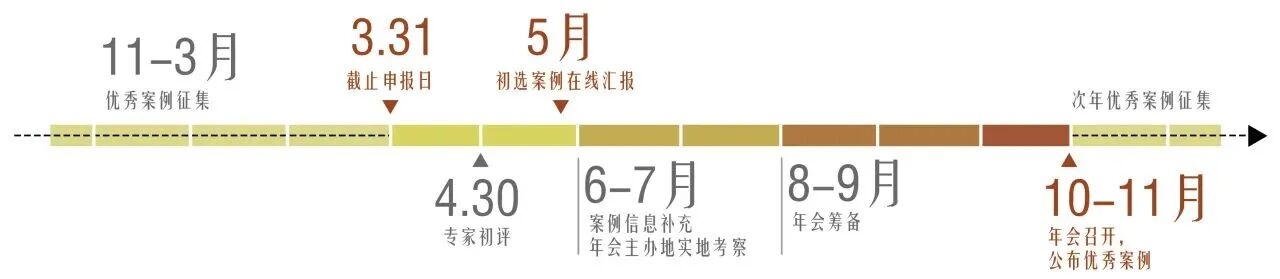
March 31: Submission deadline;
April 30: Preliminary review;
May: Online presentation of preliminary selected cases at HeritAP Chat;
June - July: Enrichment of case information, field study to the annual meeting host;
August - September: Annual meeting preparation;
October - November: Annual meeting held, announcement of good practices;
November - March of the following year: Call for the next round of good practices.
06 | HOW TO APPLY
Please complete the application form and send it heritap@whitr-ap.org.
The following are some notes to facilitate your application:
1. Each project should be submitted on a separate application form.
2. A heritage site may apply for one or multiple projects, and the intrinsic relationship of sustainable development among multiple projects should be stated in the application.
3. One or multiple projects can meet the requirements of one or more themes ("Environment and Resilience", "Prosperity and Livelihoods", "Knowledge and Skills", "Inclusion and Participation"). The 2026 call is for "Knowledge and Skills" cases.
Please scan the QR code to download the application form:
Chinese Application Form
English Application Form
07 | CONTACT INFORMATION
If you have any questions, please contact:
Ms. LI Hong, Project Director, WHITR-AP Shanghai
Email: heritAP@whitr-ap.org
Tel: +86 21 65987687 ext. 8010
HeritAP website: heritap.whitr-ap.org
Contributed by LI Hong & ZHU Ziyue (Intern)
Designed by ZHU Ziyue (Intern)
Edited by LIU Zhen
Reviewed by SHAO Yong
|


- News | Secretary-General of the WHITR-AP and Delegation from the Suzhou Sub-Centre Visit the UNESCO World Heritage Centre
- News | 2026 HeritAP Chat on World Heritage Contribution to SDGs Knowledge & Skills
- News|Executive Vice President Lyu Peiming Meets with UNESCO External Evaluation Expert
- News | UNESCO Office in Hanoi and WHITR-AP Shanghai Hold Bilateral Cooperation
- Preview丨2026 HeritAP Chat on WH Contribution to SDGs Knowledge & Skills
- 2026 Call for Applications | Young Masters for Heritage Conservation





Copyright © 2009-2026 World Heritage Institute of Training and Research for the Asia and the Pacific Region