
| News|WHITR-AP Shanghai Participated in the MONDIACULT 2025 |
| PublishDate:2025-12-08 Hits:4344 |
|
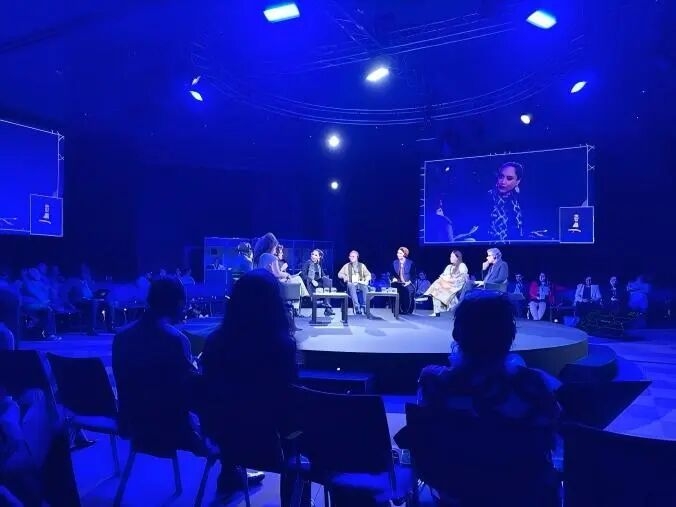
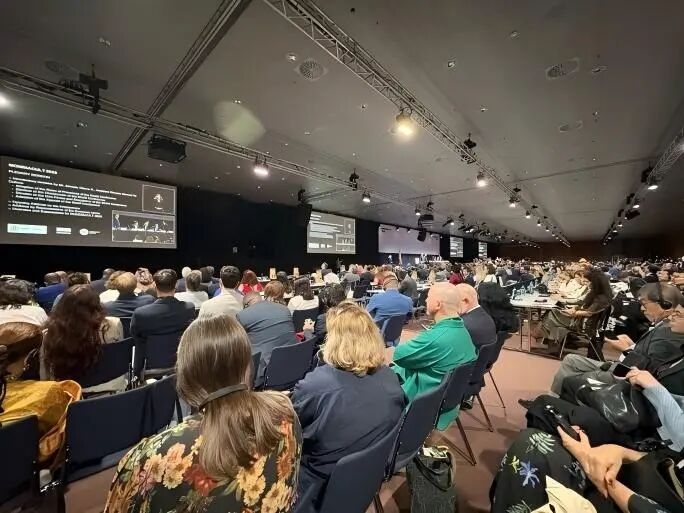
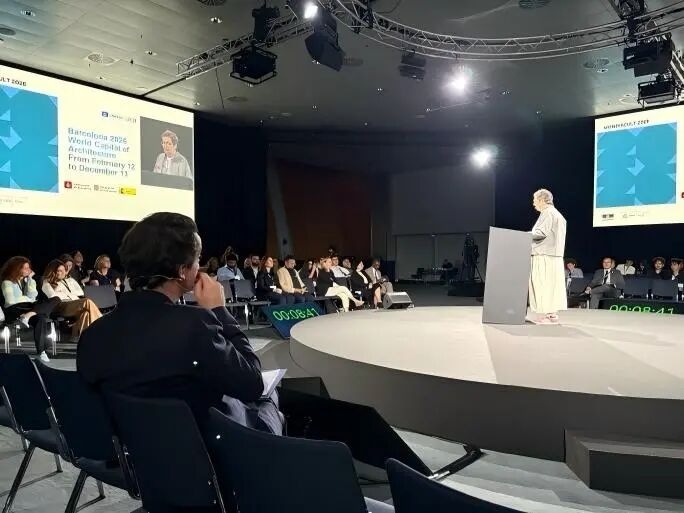
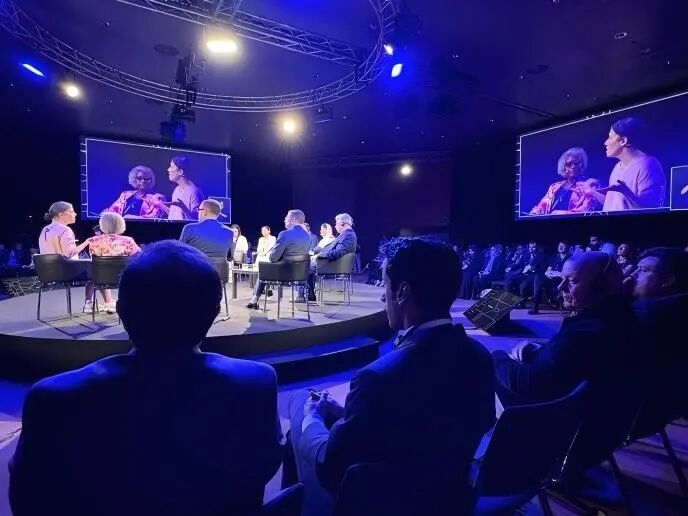
WHITR-AP Shanghai was invited to participate in MONDIACULT 2025, held in Barcelona, Spain, from 29 September to 1 October 2025. After the first two MONDIACULT Conferences in 1982 and 2022 in Mexico City, this third edition—officially titled the UNESCO World Conference on Cultural Policies and Sustainable Development—was hosted by the Government of Spain at the Barcelona International Convention Centre (CCIB). As UNESCO’s highest-level global conference on cultural policy, MONDIACULT 2025 brought together more than 2,500 participants from 163 countries, including 118 Ministers and Vice-Ministers of Culture. The event also welcomed representatives from around 90 intergovernmental organizations and over 100 NGOs. The Conference convened global stakeholders committed to advancing culture’s role at the core of the sustainable development agenda and reaffirmed the growing international recognition of culture as a key dimension of development policy.
Background
Mondiacult is UNESCO’s highest-level global conference on cultural policy, shaping how countries understand and implement cultural rights and cultural development. Following the first two editions in Mexico City (1982 and 2022), the selection of Barcelona as host for MONDIACULT 2025 is particularly significant: the city is home to nine UNESCO World Heritage properties; has been designated a UNESCO Creative City for Literature since 2015; and, since 2021, has hosted the International Center for Human and Social Sciences, a UNESCO Category 2 Center located at CaixaForum Macaya.
The Conference took place at a highly strategic moment. With the 2030 Agenda for Sustainable Development drawing near its conclusion, UNESCO and the Government of Spain seized the opportunity to advance the recognition of culture as a stand-alone Sustainable Development Goal in the post-2030 global development agenda.
As the host nation, the Government of Spain played a central role in promoting the event, with Prime Minister Pedro Sánchez, Minister of Culture Ernest Urtasun and Minister for Foreign Affairs José Manuel Albares, serving as key figures in its inauguration and agenda-setting. The Spanish Ministry of Culture was a major partner in hosting the Conference and organized activities such as Mondiayouth, which held a prominent place in the program. The Spanish Ministry of Foreign Affairs also played a prominent role in co-organizing pre-conference workshops and side events, advocating for themes like culture for peace and the role of artificial intelligence in culture, as highlighted by Minister Albares in his opening address.
Antecedents: why Mondiacult is important MONDIACULT 1982 was UNESCO’s first global conference on cultural policy. Held in Mexico City during the Cold War, it brought to the fore debates on cultural identity, post-colonial state-building and media concentration that dominated international policy-making at the time. The conference established a broad conception of culture, extending beyond the arts to include ways of life, values, traditions and identities, and firmly linked culture to development. This landmark meeting laid the philosophical foundations of contemporary cultural policy and planted the intellectual seed for subsequent efforts to place culture at the heart of development.
Forty years later, MONDIACULT 2022 again convened in Mexico City. Held amid accelerated globalization and digitalization and in the wake of the COVID-19 pandemic, it exposed the cultural sector’s vulnerabilities and addressed a set of urgent contemporary challenges — including cultural rights, digital governance, the status of artists and the climate crisis. The 2022 conference updated the 1982 policy framework for the digital age and emphasized the need to embed culture as a formal priority within global development architecture.
Building on this legacy, Mexico continued to play an important role in the organization of MONDIACULT 2025, reflecting its sustained influence and contributions in the field of global cultural policy.
What was discussed at Mondiacult 2025 UNESCO’s leadership at MONDIACULT 2025 underscored its strong commitment to placing culture at the center of the global agendas for peace and sustainable development. In this context, UNESCO actively advanced the recognition of culture as a stand-alone development goal within the post-2030 sustainable development framework. Culture is not only a driver of economic growth but also a fundamental human right, playing a critical role in fostering identity, social cohesion and societal resilience.
The thematic focus of MONDIACULT 2025 addressed the multidimensional role of culture in sustainable development, structured around six major areas: cultural rights; digital technologies in the cultural sector; culture and education; the cultural economy; culture and climate action; and cultural, heritage and crisis response. Particular emphasis was placed on the cross-cutting themes of “culture and peace” and “artificial intelligence and culture.”
The key thematic discussions addressed the following topics:
Cultural rights: Discussions highlighted cultural rights as fundamental to safeguarding human dignity, enabling individual fulfilment, and strengthening social cohesion. Ensuring their protection has therefore become an ethical, social and economic imperative, and a cornerstone for advancing culture as a global public good.
Digital technologies in the culture sector: The sessions addressed the ongoing digital transformation reshaping the cultural sector, bringing both opportunities and challenges. Priority areas included strengthening skills for cultural employment in the digital era and improving equitable access to digital platforms.
Culture and education: Discussions emphasised the importance of integrating culture across education systems, including the development of locally grounded models that incorporate cultural heritage, historical memory and traditional knowledge.
Economy of culture: The debate examined the cultural sector’s substantive contribution to economic development, the need to promote decent work and the urgency of strengthening policy frameworks and governance models.
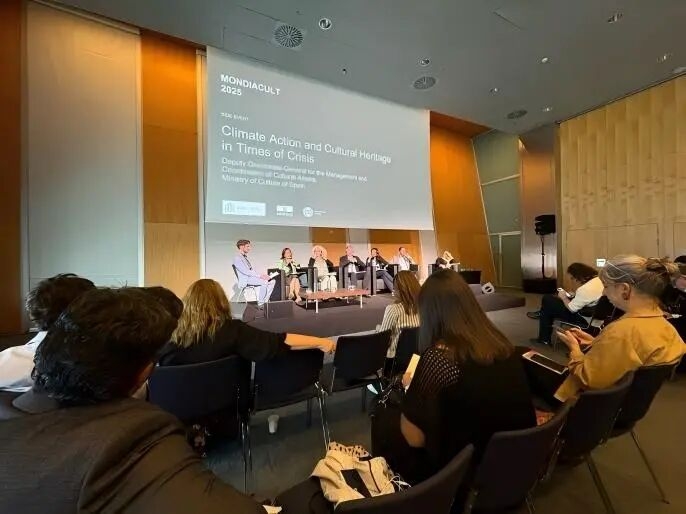
Culture and climate action: Sessions explored how culture is both vulnerable to climate change and a key resource for climate adaptation and resilience. Participants stressed the need for comprehensive and inclusive policy frameworks that enable culture to contribute effectively to climate action.
Culture, heritage and crisis: The conference called for the establishment of cultural crisis response mechanisms to protect cultural heritage from climate-related and disaster threats, and to combat illicit trafficking of cultural property resolutely through strengthened legal frameworks and international cooperation.
Culture and peace: The role of culture in building peace, fostering dialogue, and promoting human rights and gender equality was a key theme.
Artificial intelligence and culture: The ethical integration of artificial intelligence in cultural domains was a major topic, including its implications for education, gender equality, artistic creation, and the creative economy.
What are the major outcomes of Mondiacult 2025 The main outcome of the Conference is the adoption of the Mondiacult 2025 Declaration. The key takeaway is the inclusion of a significant call to formally recognize culture as a sustainable development goal in the post-2030 development agenda, placing it on an equal footing with other major global priorities such as health and education. Discussions emphasized the need for a coordinated and collaborative approach, linking culture to global challenges and advocating for its role as a global public good, with a particular insight on:
Mondiacult assessed the progress on cultural police, reviewing and reporting on advances, opportunities, and challenges since the 2022 Mondiacult Declaration. Most importantly, the Conference offered the opportunity to present and discuss the first Global Report on the State of Culture, based on three years of data and case studies.
Another important task was the promotion of cultural rights. In this sense, the attendance by top decision-makers helped to ensure that cultural rights, both individual and collective, are guaranteed in public policy. Most importantly, all parties agreed on the need to strengthen legal and policy frameworks so that marginalized communities have the right to cultural expression.
A key issue was to address digital transformation and AI. The variety of discussions on this topic helped to examine how digital technologies, and especially AI, are affecting culture, creativity, and cultural sectors. In this framework, there was a proposal to develop common regulatory solutions to ensure fair compensation, intellectual property protection, and rights for creators in the digital age.
An important claim, which connects directly with WHITR-AP’s mission, is to integrate culture into education. The Conference showed a consensus to promote the role of culture and the arts in education systems as a way to foster creativity, identity, and inclusion. Furthermore, there is a shared agreement on how to use cultural education to strengthen community bonds and cultural heritage awareness.
Supporting the cultural economy is a highly important concern, addressed with a focus on how cultural industries and creative sectors contribute to economic growth, jobs, and sustainable development. Furthermore, there is request to improve policies that support cultural professionals, artistic workers, and creative entrepreneurship.
All parties addressed the convenience to face the climate change challenge through culture, exploring the cultural dimensions of climate action and how culture can help societies adapt, mitigate, and respond to climate change. Debates also addressed how to use cultural heritage and practices to build resilience and awareness around environmental issues.
There is also an important need to protect cultural heritage in crisis, strengthening international cooperation to safeguard heritage in emergency situations, such as conflict, disasters, looting, destruction. There is also a commitment to raise awareness about trafficking of cultural property and promote legal and policy measures to counter it.
Reflections on situations of conflict, and especially in Gaza, were constant throughout the Conference. Addressing this important challenge there was a constant call to promote a culture of peace, using culture as a tool for dialogue, reconciliation, peacebuilding, and conflict prevention. This included the need to recognize cultural expression as a means to build social cohesion, mutual understanding, and human dignity.
Part of a parallel process to avoid future situations of conflict, there was a call to strengthen multilateral and inclusive cultural governance. Reaching this goal was trusted to initiatives fostering multilateral cooperation among countries and institutions to set a shared global cultural agenda. There were also calls to engage a wide variety of stakeholders — governments, civil society, youth, local authorities — in participatory dialogue. Participants pleaded to support member states in improving their cultural information systems (data, policy research, metrics) so public policy is more effective.
Economic sustainability was also a key topic amidst calls to ensure sustainable funding for culture. This included a call for more and better investment in cultural policies, including in times of crisis and for long-term resilience, as well as to make cultural spending a priority in public budgets and development aid, especially as culture is framed as a public good.
Specific initiatives emerging from Mondiacult 2025 A variety of initiatives emerged with a common agreement on considering culture as a human right as well as a global public good, and reaffirming that culture should be embedded as a “pillar” of sustainable development and called for it to become a stand-alone goal in the UN’s post-2030 development agenda.
Among the specific initiatives emanating from Mondiacult 2025, are:
After three years of work, UNESCO published its first-ever Global Report on the State of Culture comprising all new data, figures and analysis on the culture sector from heritage, creativity to cities. This Global Report was co-funded by the European Union.
The presentation of the Virtual Museum of Stolen Cultural Objects: an immersive digital platform to raise awareness and cooperate internationally against illicit trafficking.
At the local level, there was a remarkable success on the organization of a “Civic Agora”, thought as a participatory space open to civil society, promoted by the Spanish Ministry of Culture; the regional Generalitat government and the Barcelona municipal government.
Arab States promoted The Jeddah Declaration in the context of the lead-up to the main global MONDIACULT conference: resulting from a conference of Islamic Culture Ministers that occurred in Jeddah in February 2025, it affirmed culture's role in development, highlighted the need to protect heritage and cultural institutions from climate change, and officially supported Saudi Arabia's bid to host the next MONDIACULT conference in 2029.
There was a concrete call for orienting efforts for “heritage recovery” in crisis zones: UNESCO mentions heritage projects in places like Mosul, Beirut, Gaza, and Ukraine.
All these ideas and initiatives inspire the Mondiacult 2025 Outcome Document, which was presented by the Spanish Culture Minister, Ernest Urtasun, as Chair of Mondiacult 2025, reaffirming shared values and policy goals on cultural rights, AI ethics, and peace.
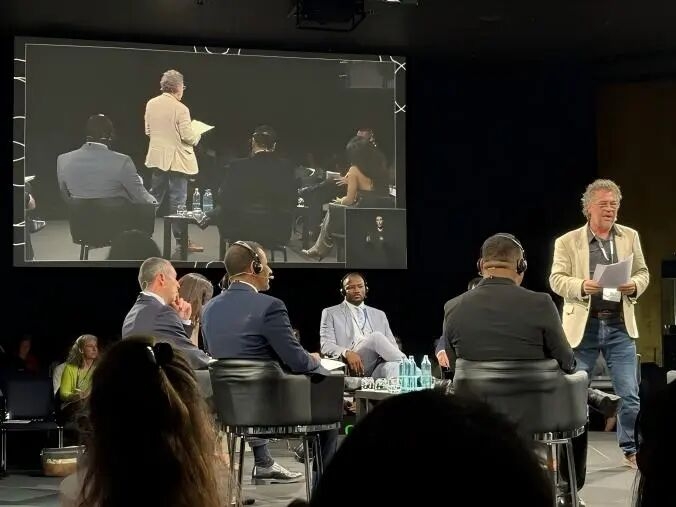
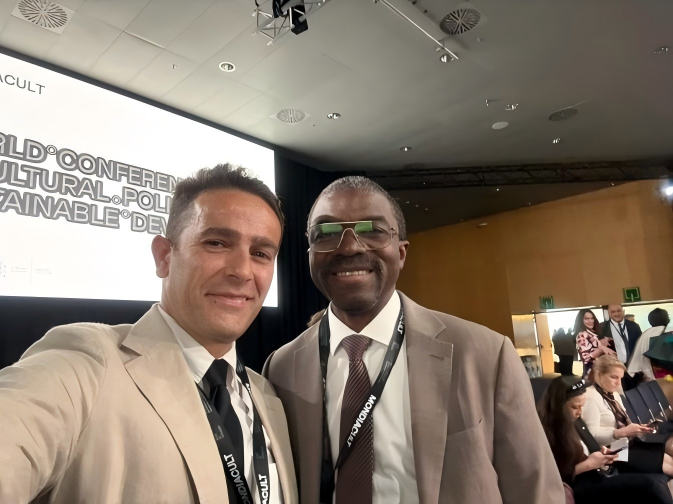
Participation of WHITR-AP WHITR-AP Shanghai participated in MONDIACULT 2025 through the representation of Prof. Plácido González Martínez, Project Advisor of WHITR-AP Shanghai. Prof. González Martínez engaged in the main conference discussions, highlighting WHITR-AP’s role as a key regional actor and contributing particularly to debates on heritage, education and artificial intelligence (AI)—areas aligned with WHITR-AP’s recent initiative on the International Network for Urban–Rural Heritage Conservation in Higher Education Institutions (UHC-HEI).
During the Conference, WHITR-AP met with Dr. Lazare Eloundou, Director of the UNESCO World Heritage Centre, to explore avenues for strengthened cooperation. WHITR-AP also engaged with the Mexican delegation, including leaders of the PALECH Network (Latin America Pact for Education with Human Qualities), which brings together 188 institutions in the region.
Further exchanges took place with organizations working in diverse regional contexts, such as CRESPIAL (Regional Centre for the Safeguarding of Intangible Cultural Heritage of Latin America), a UNESCO Category 2 Centre in Peru, and the Cross-Cultural Foundation of Uganda. These contacts are expected to broaden recognition of WHITR-AP’s education and training work and to catalyze concrete cooperation with global culture partners.
Through its participation, WHITR-AP aims to enhance the visibility of its operational work, particularly in education, training and capacity-building, and to reinforce its cooperation with global partners in the cultural field.
Conclusion Mondiacult 2025 was an extremely successful global gathering, marked by its scale, the variety and quality of the topics addressed and the speakers involved. The Conference benefited from strong support from the Spanish authorities at all levels, ensuring the smooth delivery of an intensive and well-organized three-day programme.
Compared with the 2022 edition, Mondiacult 2025 marked clear progress, moving conceptual norm-setting to more concrete implementation. Mondiacult 2022 defined cultural rights, declared culture as a global public good, and laid the groundwork for a global policy framework. Mondiacult 2025 advanced this vision by addressing operational pathways, introducing new priorities (among them, AI and peace), building data infrastructure, and reinforcing culture’s role in crisis response and sustainable development.
Contributed by Plácido González Martínez and Pei Jieting
Designed by Li Qianrao (Intern)
Edited by Liu Zhen
Reviewed by Shao Yong |


- News | Secretary-General of the WHITR-AP and Delegation from the Suzhou Sub-Centre Visit the UNESCO World Heritage Centre
- News | 2026 HeritAP Chat on World Heritage Contribution to SDGs Knowledge & Skills
- News|Executive Vice President Lyu Peiming Meets with UNESCO External Evaluation Expert
- News | UNESCO Office in Hanoi and WHITR-AP Shanghai Hold Bilateral Cooperation
- Preview丨2026 HeritAP Chat on WH Contribution to SDGs Knowledge & Skills
- 2026 Call for Applications | Young Masters for Heritage Conservation



Copyright © 2009-2026 World Heritage Institute of Training and Research for the Asia and the Pacific Region